Before Crisis Comes: How Trusted Advisors Help Families Navigate Aging, Capacity, and Legacy
Professional Advisor Partnerships
Professional advisors often have a unique seat at the table as families navigate aging, changing capacity, wealth, and legacy. This recap from Greater Houston Community Foundation’s Advisor Breakfast explores how early conversations, thoughtful planning, and philanthropy can help families preserve dignity, purpose, and connection through life’s transitions.
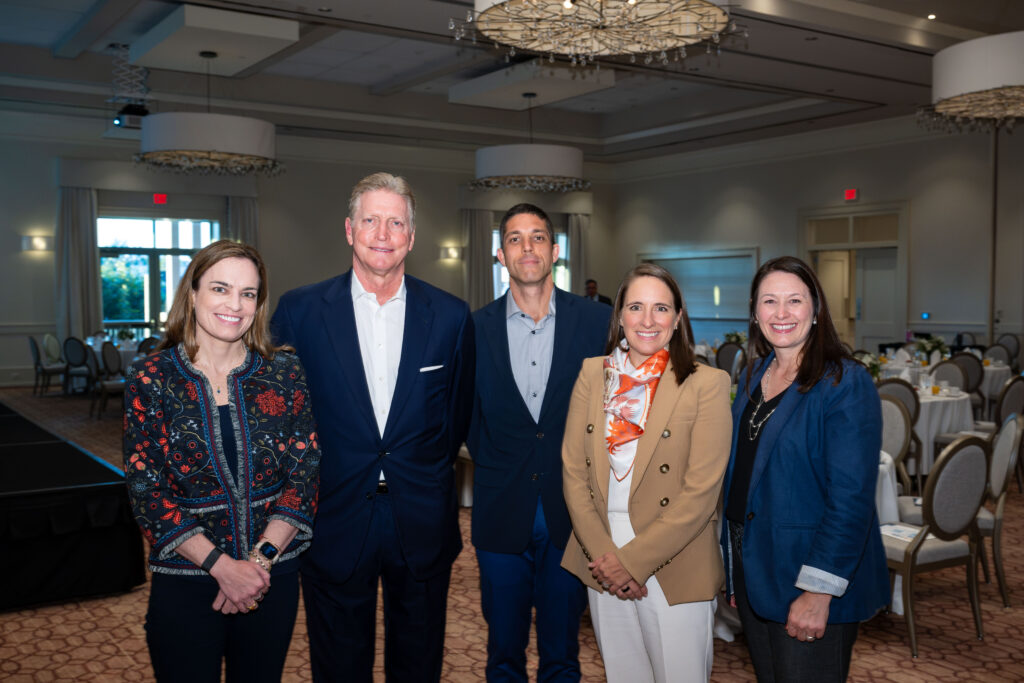
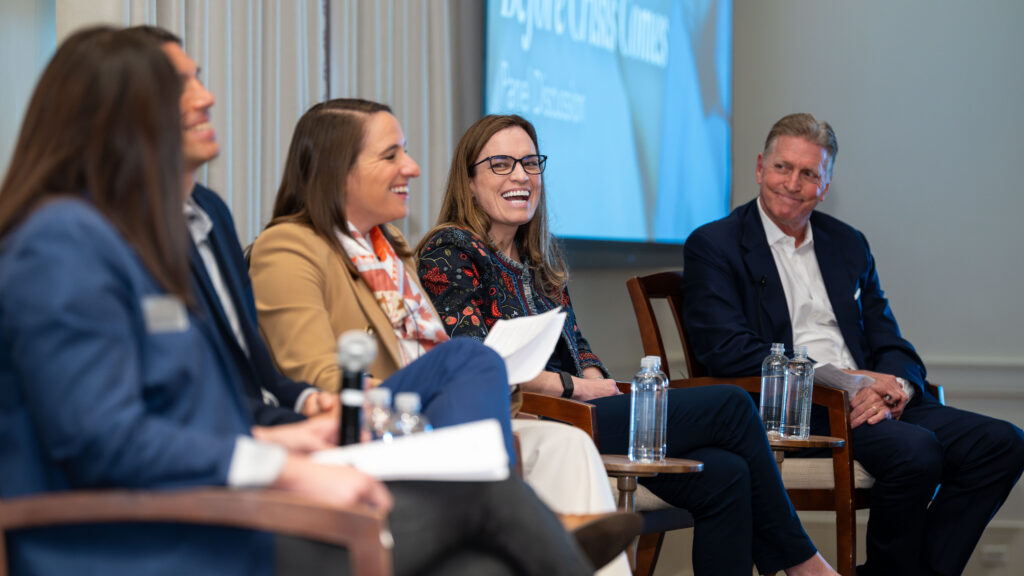
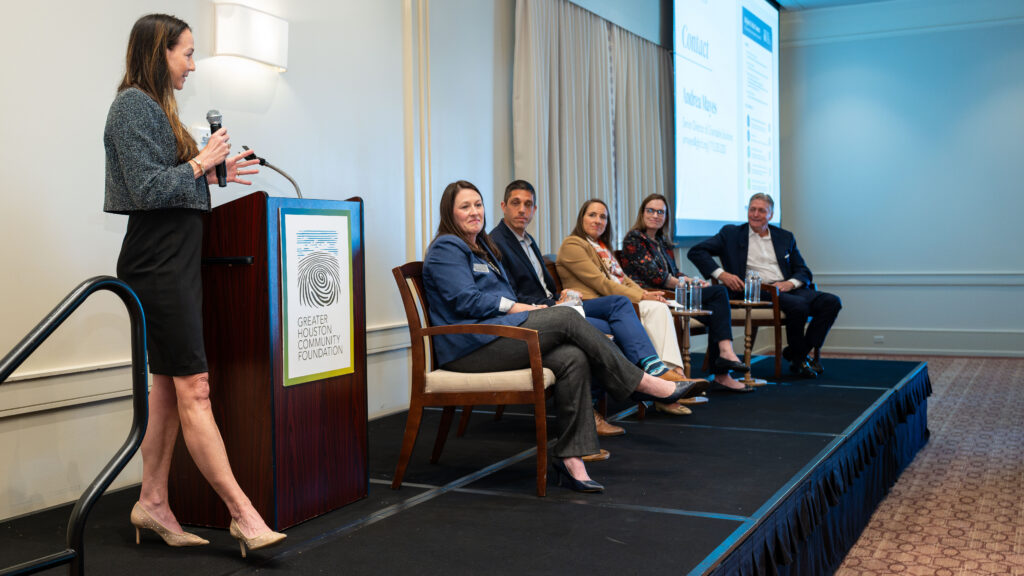
At Greater Houston Community Foundation’s recent Advisor Breakfast, professional advisors across finance, tax, estate, and family office disciplines gathered to explore a reality that touches every family sooner or later: aging, changing capacity, and the transitions that come with them.
Zachary Faas, PsyD, Vice President of Client Advisory & Consulting at Intent Clinical, alongside a panel of respected Houston-area advisors, including Kelly Hackett, Managing Director at Tectonic Financial, Inc., Jeffrey Paine, Wealth Management Advisor at Goldman Sachs, and Jennifer Strauss, Partner at Ytterberg, Deering, Knull, LLP. The conversation challenged attendees to view aging as a chapter of life that can be navigated with dignity, purpose, and thoughtful planning.
The conversation underscored the important role professional advisors can play in recognizing changing needs, engaging in thoughtful conversations on an ongoing basis, and connecting families with additional expertise before circumstances become urgent. For advisors helping clients navigate these moments, the Community Foundation can serve as an extension of their work, bringing charitable planning expertise and philanthropic resources to the trusted relationships they have already built.
Preserving Dignity and Independence
In his opening remarks, Steve Maislin, President and CEO at the Community Foundation, reflected on his family’s experience helping his parents navigate their later years. He credited their trusted professional advisors with making the experience easier while preserving his parents’ dignity and independence.
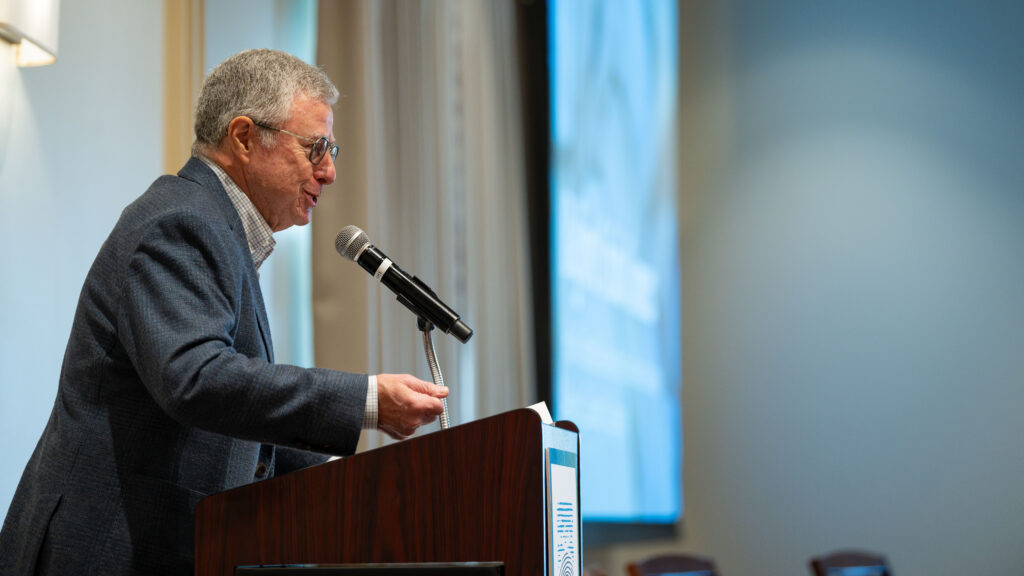
“They show up at their house, bring printed copies because they know that is their preference, and take time to explain things clearly,” he shared. “These acts have helped my parents maintain their dignity and independence.”
That experience reflects a broader truth: professional advisors are often among the first people to notice changing needs, shifts in family dynamics, and opportunities for important conversations.
Why Aging and Capacity Became the Focus
Throughout the first half of 2026, the Community Foundation’s team of philanthropic advisors had a multitude of conversations with donors and professional advisors where a common theme emerged. So many of the conversations, both professional and personal, were concerns related to:
- Growing unease coming from a client’s child or loved one
- Resistance from a founder who is struggling to move on
- Ambiguity or uncertainty of who should say something and when
- Denial or reluctance to talk about certain topics related to capacity
Andrea Mayes, Senior Director of Charitable Solutions at the Community Foundation, shared, “Preserving the dignity of someone who is aging, whether it’s a client or someone in your personal life is rarely about documents, accounts, or medical terminology. It is about the people we love and genuinely care about.”
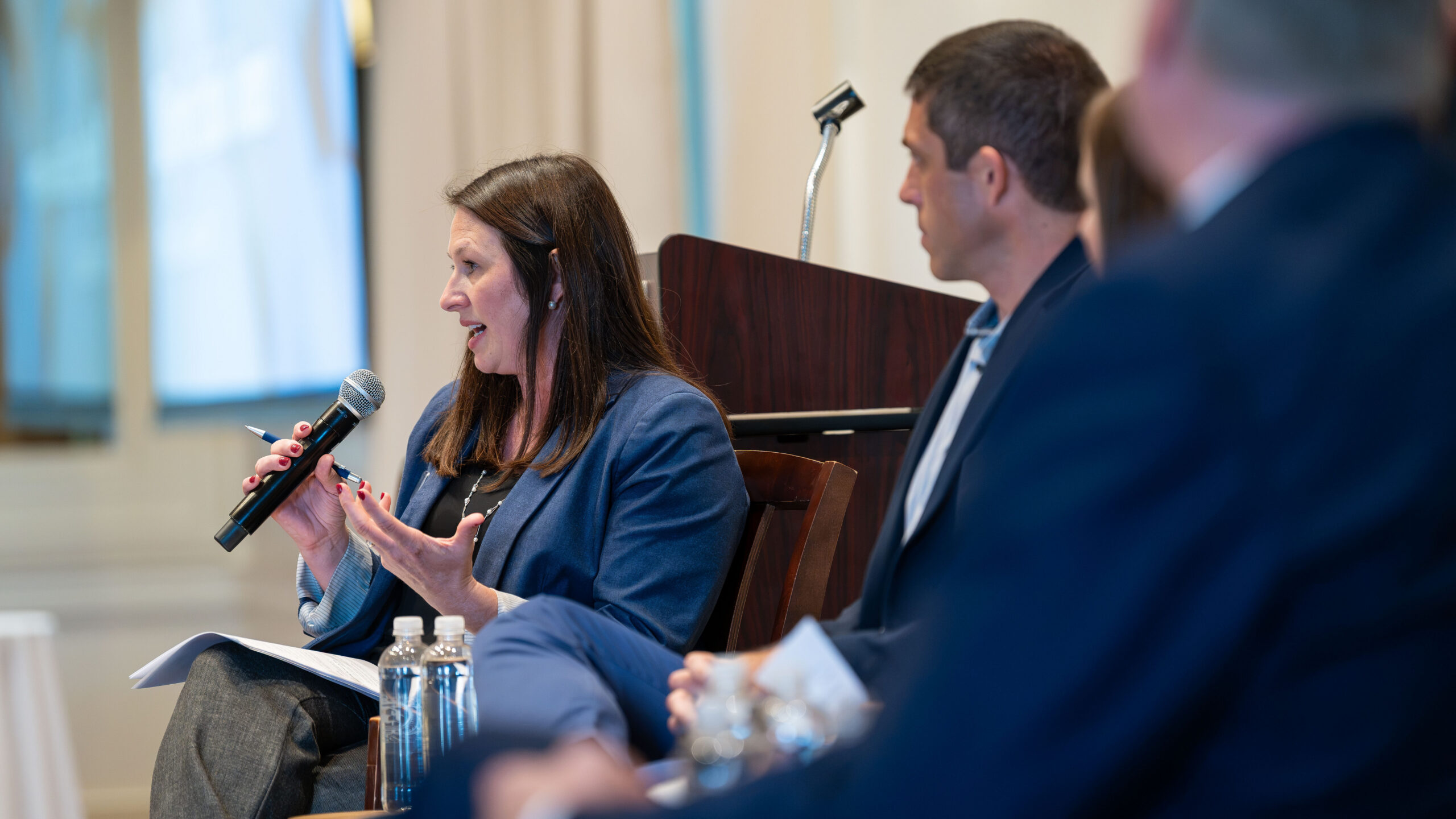
Time and time again, our philanthropic advisors hear authentic concern from not only children, but also CPAs, estate attorneys, wealth managers, trust professionals, and family office leaders. For each of them their primary goal is the same: to approach this sometimes delicate topic with positive intent and a lot of integrity.
The desire to preserve someone’s dignity—whether it is a client or family member—is rooted in the motivation to help people thrive, to preserve a person’s sense of purpose, and celebrate a chapter of life that is not guaranteed.
Navigating the Unknown
Dr. Faas, our keynote speaker, helps families and professional advisors navigate the challenges that can come with the realities of aging. Oftentimes, Dr. Faas challenges his clients to shift their perspective to have a more positive outlook—especially in Houston where we have access to one of the world’s best medical communities.
Dr. Faas reminded attendees that increased longevity represents one of the greatest achievements of modern society and something that is relevant to all of us. People are living longer than ever before, creating a different human experience. Dr. Faas energetically stated, “Living longer is only valuable if the years are worth living. So, what makes the years worth living? What are we extending life toward? What makes us get up in the morning?”
We live in a world with more opportunities for fulfillment, connection, and impact. Yet longer lives also bring challenges, including changes in cognition, health, mobility, and decision-making.
Capacity, he explained, is rarely a simple yes-or-no question. It can be specific to a particular task, sensitive to timing, and influenced by the surrounding environment. Dr. Faas encouraged advisors to think about how slight accommodations, support systems, and planning can help individuals retain dignity. He cited small adjustments, such as copying an approved, trusted family member on a follow-up email, scheduling meetings during times that the client is functioning at their highest, and modifying how you follow up with a specific client to help them process information to make more informed decisions. These tailored changes can make a significant difference without diminishing a client’s autonomy.
It is an honor and privilege to be included in a trusted circle of advisors for a client. And with that honor as advisors, sometimes, we may witness or observe changes before a client or their families does. Dr. Faas challenged the room to trust their instincts, “Start conversations before they are necessary. Position the conversation not as a sign of decline, but just something we do, and revisit regularly. I challenge each of you to position this as not as problem to be managed but instead as a gift.”
The presentation closed by encouraging the room to use consider using philanthropic conversations as a safe starting point. With a thought-partner like Greater Houston Community Foundation, charitable giving can be a powerful way to promote and provide agency, purpose, and connection to community, causes, and people. Greater Houston Community Foundation helps donors translate their values into meaningful impact, often resulting in cementing a legacy while aligning charitable goals with an overall financial strategy.
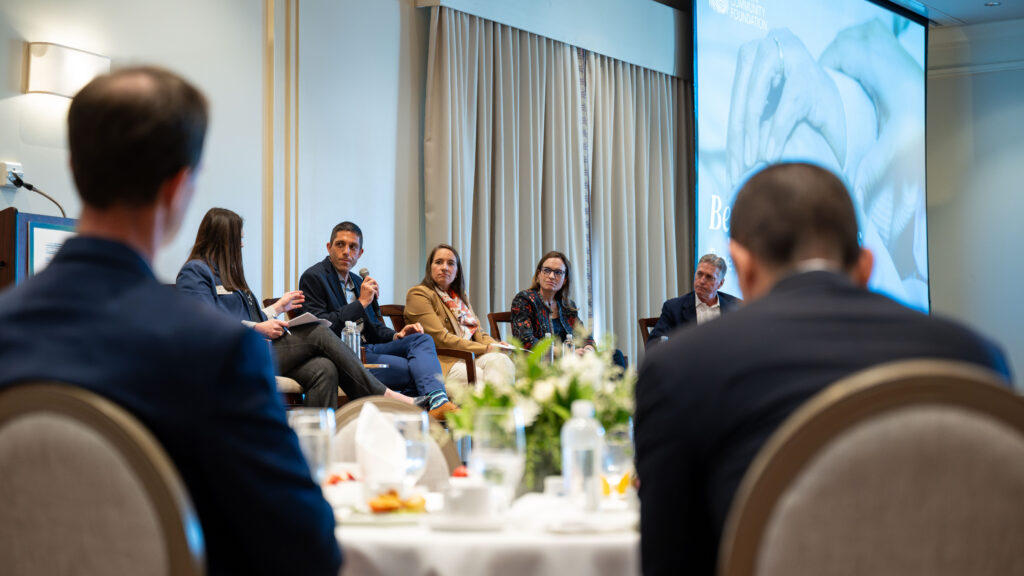
“Philanthropy is a living, breathing manifestation of family values. What is important to me now, and what to pass on to the next generation.”
– Dr. Zachary Faas
His message was clear: the goal is not to take decision-making away from people abruptly. These conversations are ways to help your clients or loved ones continue to participate successfully in decisions that affect their lives and fuel their purpose.
Key Takeaways
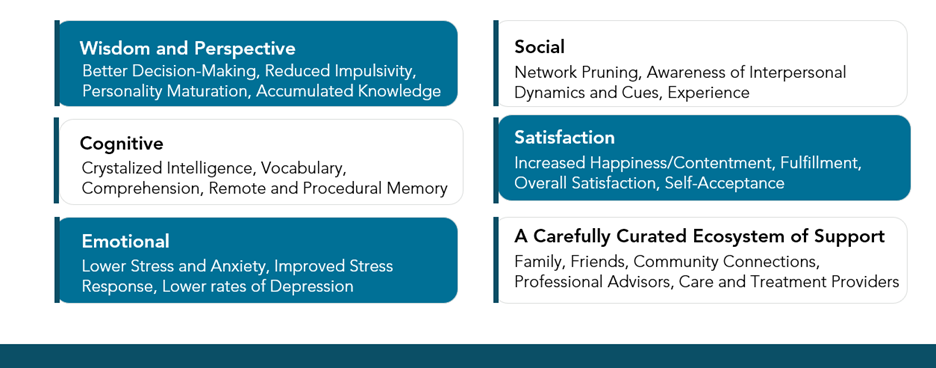
The Upside of Growing Older
Aging is often framed around what may be lost, but it can also bring meaningful gains:
The Most Valuable Conversations Happen Before They Are Needed
Dr. Faas described planning itself as a form of intervention, saying, “The most valuable conversations happen when there is no pressure to act now.” When families discuss future transitions before they become urgent or are in a crisis, they create space for thoughtful decision-making rather than reactive choices made under pressure.
Panelists echoed that sentiment from their own professional experiences. Whether reviewing estate plans, observing significant changes in long-standing behaviors, or noticing shifting preferences and routines, advisors often see early signals before family members fully recognize them. The consensus among the panel was that avoiding uncomfortable conversations is not serving your clients well. Instead, advisors can create value by respectfully raising concerns, asking questions, and helping families begin planning before circumstances force action.
Advisors who navigate these conversations the most successfully, the panel concluded, tend to communicate openly, communicate often with other members of an advisory team when appropriate, and remain flexible as circumstances evolve.
Trusted Advisors Occupy Intimate Seats at the Table
The discussion also explored the unique role advisors play in their clients’ lives. While clients may initially seek help with investments, legal structures, tax planning, or estate strategies, advisors frequently find themselves invited into much deeper conversations about relationships, fears, identity, purpose, and legacy.
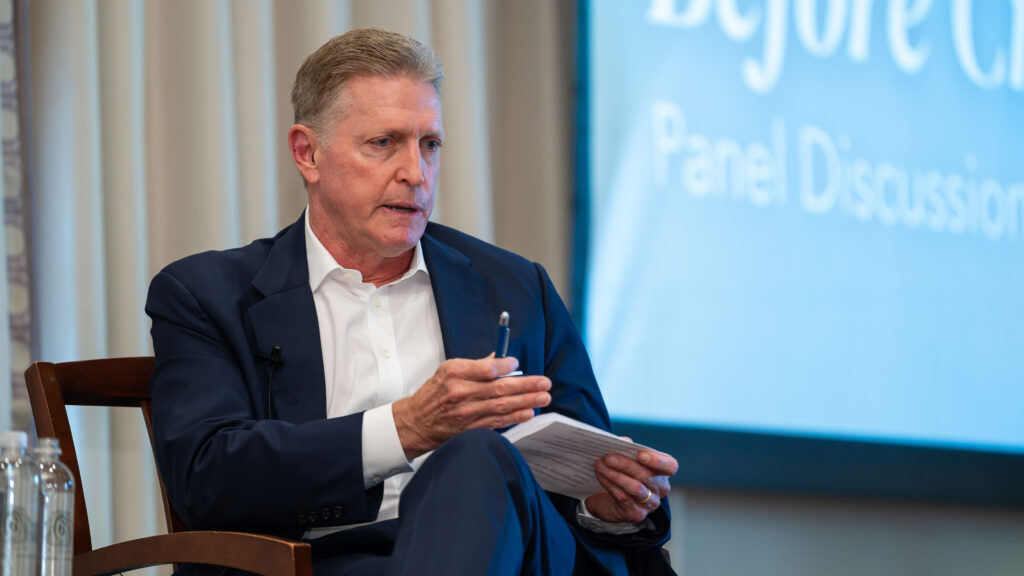
“We as advisors have professional obligation and duty to manage our affairs in a consistent and fair manner. If we are doing those jobs well, we get invited to the deep kitchen table conversations with clients. It is a level of trust and intimacy from our clients. We are called to avail personal experiences for our clients. And, it is incumbent of all of us to be introspective from our own personal experiences.”
– Jeff Paine
Panelists agreed that serving clients well in these moments requires active listening, humility, patience, and a willingness to involve additional expertise. Jennifer Klein Strauss noted that advisors do not need to solve every problem themselves. Instead, they can serve clients best by helping coordinate resources, bringing the right professionals to the table, and surrounding families with a trusted team capable of navigating complex situations together.
Helping Clients Navigate Identity and Transition
For many clients, transitions are not simply about legal documents or financial arrangements. They are deeply connected to identity. Business owners, family leaders, and lifelong decision-makers can struggle with the idea of stepping back from roles that have defined them for decades.
Panelists emphasized that successful transitions rarely happen through abrupt handoffs. More often, they involve creating structures that add support while preserving involvement. Naming co-trustees, introducing successor decision-makers, mentoring the next generation, and gradually sharing responsibilities can help families adapt while maintaining continuity and dignity.
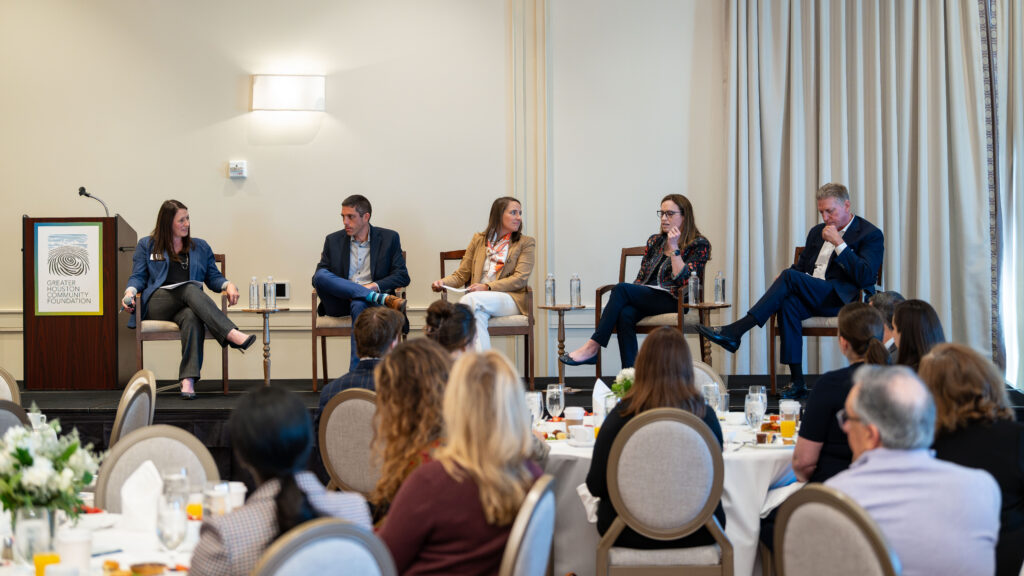
“Most people spend their lives in the black and white, maybe because of their profession. Clients want time spent in the gray—that is when humanity occurs.”
– Kelly Hackett
The conversation highlighted the importance of viewing these changes not as endings, but as graduations into a new, beautiful chapter of life. As advisors, it is essential to understand what preserving dignity looks like for a certain client, then set up a plan that supports it.
Humans Being Human
Another discussion focused on philanthropy as a bridge to larger conversations about legacy, family, and purpose.
Dr. Faas described charitable giving as a powerful expression of agency, connection, and values. Philanthropy can help answer an important question: What are we living longer toward? For families, charitable conversations often feel more approachable than discussions about a specific document, investment, succession, or death.
Kelly recalled a personal story with her own family, “When we [her parents and siblings] come to table to talk about investment portfolio, it is quiet. When we talk about family legacy and who we want to give to, everyone participates. In talking about impact, community, and the causes people care about we create opportunities for multiple generations to participate and share perspectives.”
Panelists noted that philanthropy can unite family members around shared values, provide meaningful roles for the next generation, and preserve family connections across changing life stages. While discussions about wealth transfer can sometimes feel transactional, conversations about giving tend to invite reflection, storytelling, and collaboration.
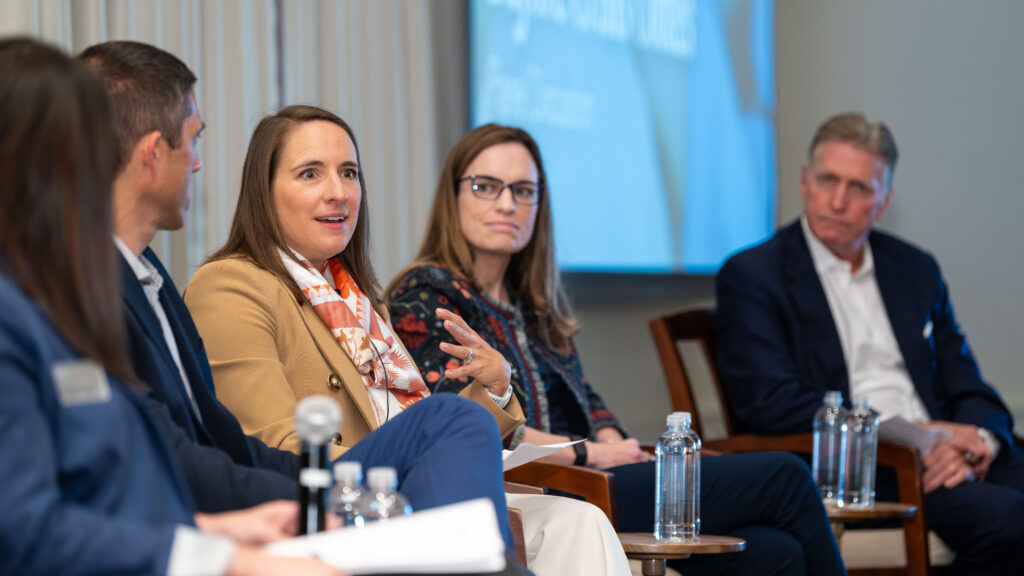
“Our clients have been so busy building. Then they finally reach a phase to be a bit more introspective. When I see adult children and extended family being brought to the table, I see how philanthropy can keep family unit intact. Philanthropy tends to perk the next generation up, and it is a great opportunity for extended family to stay linked as a family.”
– Jennifer Strauss
In that way, philanthropy frequently becomes a safe and productive starting point for deeper conversations about legacy and transition. When done consistently and in an engaging way, it can also sustain connection amongst multiple generations that can last beyond a clients lifetime.
Authentic Advising
Each panelist had insightful guidance for both early career and late career advisors across various practices on some of the lessons they have learned along the way. While the list below is not inclusive of every gem the panelists shared, here are a few words of wisdom:
“There is a lot to be said in our personal life experience and how we weave into professional lives.” – Jeff Paine
Many professional advisors have to be constantly on. It is not sustainable or realistic to have success with clients if you shift from being one person in your professional life to a completely different person at home. Jeff encouraged advisors to be authentic and let their interests and life experiences strengthen their professional relationships. He illustrated this with a story about a young advisor who wanted to join a nonprofit board primarily because of the influential people involved, rather than a connection to the mission. His advice: take an internal inventory and invest your time in causes that genuinely matter to you and your family. Authentic involvement can build meaningful community relationships, create professional opportunities, and bring greater personal satisfaction.
“The best training is osmosis” – Jennifer Klien Strauss
The best type of professional development is to attend every opportunity with a more senior person in client dialogue. For any young career advisors, it can be hard or intimidating to know how to start a deep relationship with a client. Through observation, think about how to adopt various styles of what you witness in a style that is true to yourself and in a way a specific client is responsive to.
“All advising should include philanthropy.” – Kelly Hackett
Philanthropy is more than an add-on or a bridge to other conversations. Kelly emphasized that giving is a deeply human experience that allows people at any stage of life to make an impact and can create a physiological response that reinforces the sense of fulfillment associated with generosity. During conversations about capacity, giving may feel more like a privilege than an obligation. Advisors who engage in philanthropy themselves model how giving can contribute to a fulfilling life.
“It’s ok not to know.” – Dr. Zachary Faas
Remember that giving back is all about humans helping humans and apply that to your practice. Be transparent with clients about when you may not know the answer right away. Humans make missteps, but owning mistakes builds trust. Surround yourself with people and resources that can help you navigate when you step into areas that can feel messy.
Turning Values into Legacy
In her closing remarks, Karen Costa, Chair of the Community Foundation’s Advisor Outreach Committee and Family Office Enterprise National Tax Leader at RSM US LLP, reminded attendees that the work of advising is ultimately about people, families, and the legacies they hope to leave behind. It is not about the transactions or documents. She also emphasized Dr. Faas’ previous statement, “Philanthropy is the living manifestation of family values and purpose.”
That message aligns closely with what professional advisors do every day. By initiating conversations early, encouraging thoughtful planning, and helping families stay focused on purpose, dignity, and connection, advisors play a critical role in supporting clients through a transition to some of the most beautiful chapters in life we can have.
Extending Your Work
At Greater Houston Community Foundation, we are proud to work in partnership with professional advisors in those conversations. Our philanthropic advisors collaborate with attorneys, CPAs, wealth advisors, and family office professionals to help our shared clients translate their values into meaningful action and lasting impact. Additionally, the Community Foundation offers third-party investment management of funds with $500,000 or more.
Whether exploring charitable strategies, exploring a gift of complex assets, engaging multiple generations in philanthropy, or incorporating giving into a broader legacy plan, we serve as a resource that complements and strengthens the trusted relationships you have built with your clients.
We invite you to contact Andrea Mayes, Senior Director of Charitable Solutions, to discuss charitable opportunities that can help your clients achieve both their philanthropic and financial goals. Together, we can help families move beyond transactions and create legacies rooted in purpose, connection, and impact.
More Helpful Articles by Greater Houston Community Foundation:
- How Donor Advised Funds Make Charitable Giving Easy
- Transitioning from a Private Foundation to a DAF
- How Giving Locally Can Impact Your Community
- A Guide to Charitable Giving Vehicles
- Choosing Between Donor Advised Fund Providers
This website is a public resource of general information that is intended, but not promised or guaranteed, to be correct, complete and up to date. The materials on this website, including all comments and responses to comments, do not constitute legal, tax, or other professional advice, and is not intended to create, and receipt or viewing does not constitute, nor should it be considered an invitation for, an attorney-client relationship. The reader should not rely on information provided herein and should always seek the advice of competent legal counsel and/or a tax professional in the reader’s state or jurisdiction. The owner of this website does not intend links on the website to be referrals or endorsements of the linked entities.