John R. Eckel, Jr.’s Passion for Collecting
Stories & Perspectives
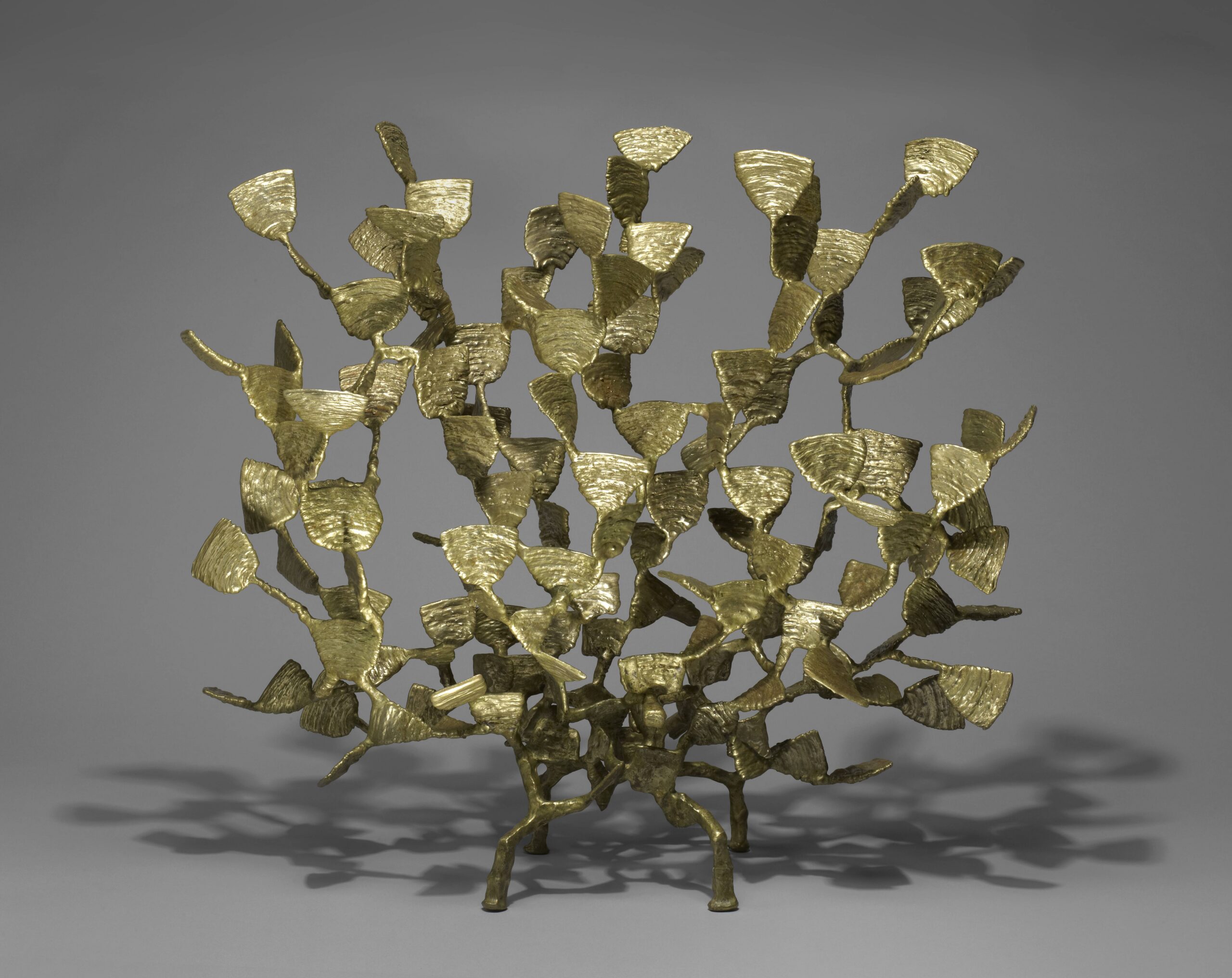
Harry Bertoia, Untitled (Cactus), donated by the Eckel Foundation.
Image provided by The Museum of Fine Arts, Houston.
John R. Eckel, Jr.’s legacy is similar to an unforgettable museum exhibition. Throughout his life, he collected not only many important works of art and design, but also people whom he nurtured and empowered. John was a thoughtful person with profound intellect, an excellent sense of humor, and great taste. His spirit of generosity resonated with everyone, whether it was with employees, friends, or ‘misfits.’ While he approached every person or organization he supported with the same thoughtful caution he applied when evaluating potential acquisitions for his company, many remember him as noble, generous,
and deeply considerate.
An Unwavering Start
As the eldest of three siblings, John may have developed his unwavering perseverance early on. John first demonstrated his entrepreneurial spirit when, at the age of ten, he talked his dad into “investing” in his first venture: a floating platform that helped students walking to school get across a creek, shaving time off their walk to Carnegie Elementary School.
Another notable detail from John’s youth is that, at just 16 years old and while attending Memorial High School, he made the significant decision to emancipate from his parents. He did this solely for the challenge and to legally demonstrate his fierce independence.
John attended Columbia University, graduating in 1973 with a degree in economics. His time in New York played a significant role in sparking his interest in the arts. After graduating, he worked in the financial services industry before transitioning to the energy sector, an interest shaped by both of his grandfathers’ involvement in oil and gas.
Building to Prosper
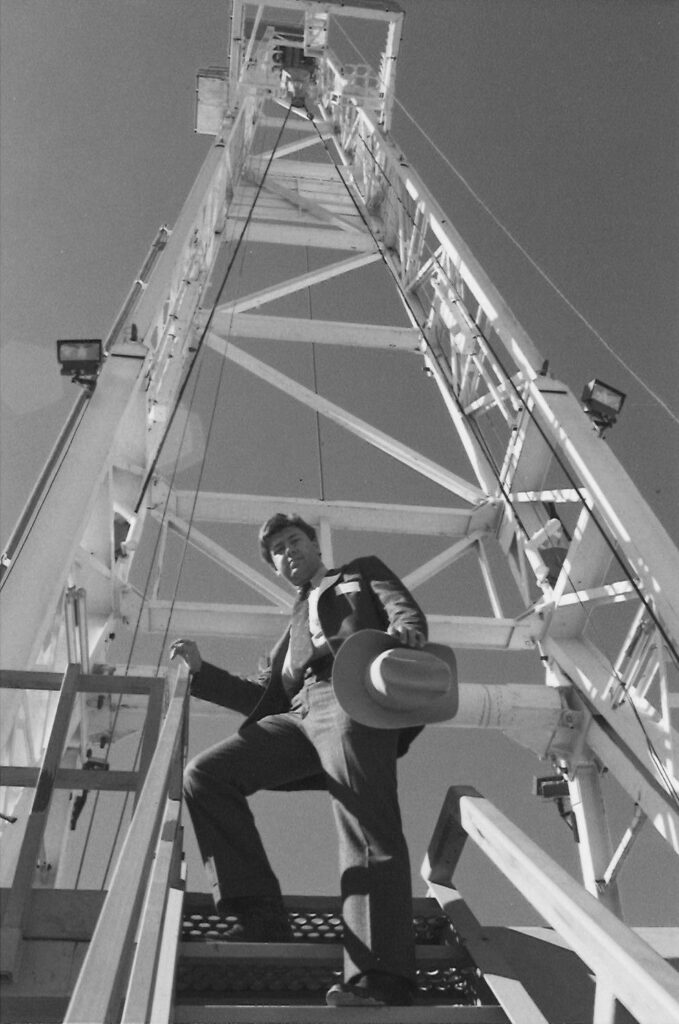
In 1992, John founded Copano Energy, where he acquired numerous gas pipelines, starting with a 23-mile pipeline and eventually expanding to more than 6,000 miles of pipeline and seven processing plants across four states. His motto was “treat people fairly and respectfully and you will succeed,” which was evident to his employees. For example, when Copano Energy went public in 2004, he ensured that all employees received options in the IPO, regardless of their position within the company. He also had a “win/win” approach to doing business and wanted any counterpart in a negotiation to feel good, even when he had the upper hand.
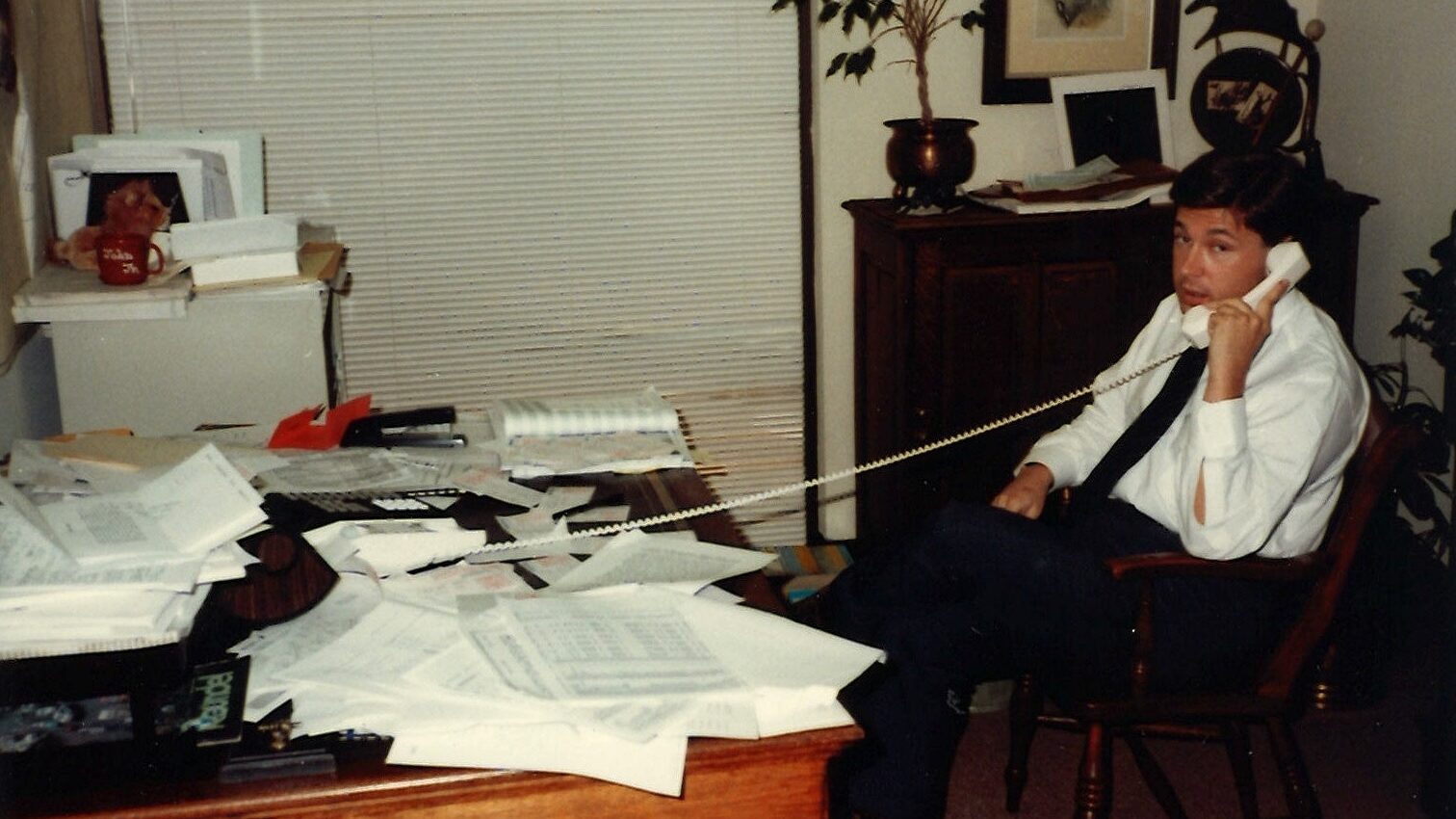
After Copano Energy went public, John’s focus shifted from collecting gas pipelines to the arts—using his newfound resources to acquire artwork that museums coveted. When he first started collecting, he developed relationships with various galleries in New York City and Wright, an auction house in Chicago. More notable is how he relied on his instincts to cultivate his sophisticated collection. It was evident to all that John took great delight in collecting. When you visited his office, you could find stacks of catalogs from various art auctions.
In the span of four years, he amassed over 500 pieces of early 20th-century art, as well as modern and contemporary decorative art and furniture. His impressive collection focused on a select group of American designers and artists, including Ralston Crawford, Paul Evans, Harry Bertoia, and Edward Wormley. His pieces were stored in warehouses in New York City, Houston, and Chicago, or in his apartments in Houston or New York.
John’s era as an art collector came to an abrupt halt when he passed away too soon and too quickly in 2009. He was just at the beginning of entering a phase of life where he could enjoy the fruits of his hard work and determination.
A Legacy Etched in Color
In 2011, the John R. Eckel, Jr. Foundation (Eckel Foundation) was established in partnership with Greater Houston Community Foundation, before John himself had the opportunity to formalize his philanthropic legacy. Under his estate plan, Doug Lawing, current President of the Eckel Foundation, was given the authority to distribute the estate’s significant charitable portion.
Doug met John in the 1990s through friends, eventually becoming General Counsel at Copano Energy. Their professional relationship was always rooted in friendship, leading to Doug’s role with the Eckel Foundation. “I took on my role as a result of my friendship with John, my respect for him, and the fact that he wasn’t afforded the time to build his own philanthropic legacy,” Doug noted humbly. “My goal is to honor his too-short life and what he stood for. It’s a real privilege for me.”
Because John had indicated that he did not desire the assets to be distributed over a short period, Doug formed a private foundation. For Doug, this was the most obvious and best option for distributing his philanthropic assets over a more extended period.
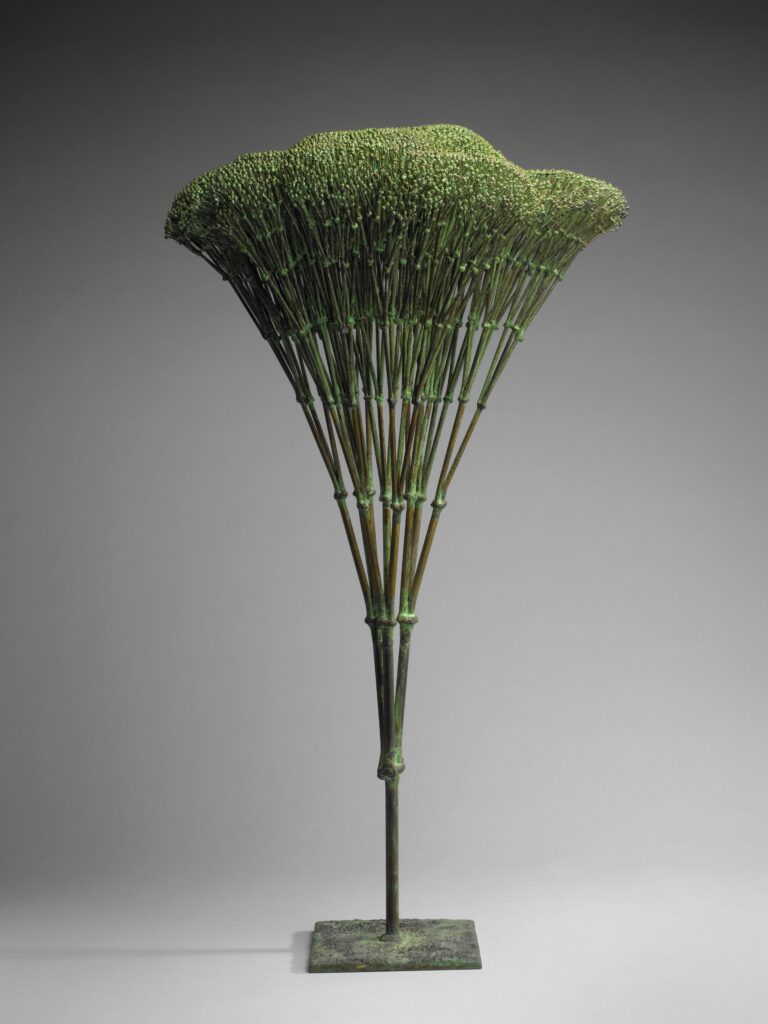
Image provided by The Museum of Fine Arts, Houston.
Early on, several significant grants were awarded to institutions that John admired, including support for the Menil Drawing Institute and the endowment of a Professor of Financial Economics at Columbia University. Some of the Eckel Foundation’s more notable and legacy-making support was the establishment of the Eckel Foundation galleries at the Whitney Museum of Modern Art (Whitney) and the Museum of Fine Arts, Houston (MFAH). The Eckel Foundation’s donation of 73 works of modernist American painting, sculpture, photography, and contemporary art to the MFAH significantly enhanced the museum’s collection. Doug recalls, “As the executor of his estate, I sent a list of items to both the MFAH and Whitney, and they responded with a list of the works they desired. Luckily, there was no significant overlap on what each museum desired.”
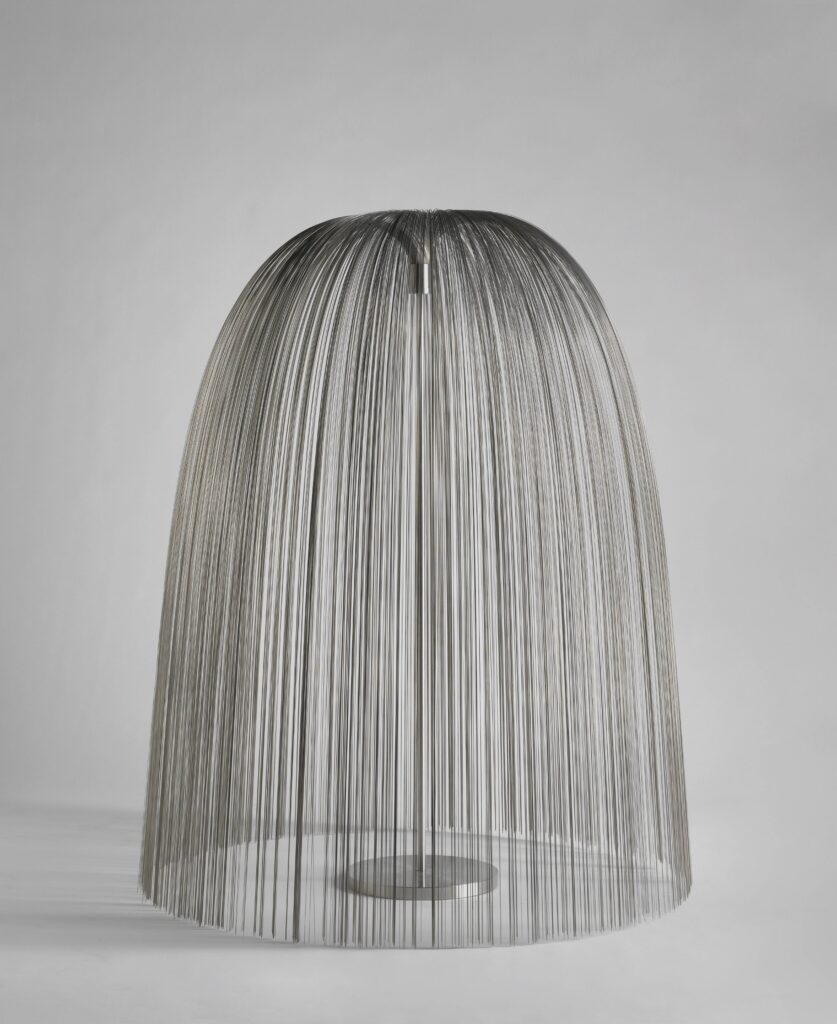
Image provided by The Museum of Fine Arts, Houston.
When speaking about the support the Eckel Foundation receives from the Community Foundation, Doug shared, “The administrative support that the Community Foundation provides is crucial in allowing the Eckel Foundation to operate efficiently and with limited staff. It allows us to focus on grants and the nonprofits we support, knowing that accounting and other administrative functions are in good hands. The Community Foundation provides a service that all smaller private foundations should consider—it makes the day-to-day operations of a foundation much easier.” When you partner with the Community Foundation, you gain access to a suite of services all structured to simplify your foundation’s operations.
More recently, the Eckel Foundation’s focus has generally been on providing operating support for the visual arts in Houston, regularly supporting museum exhibitions, acquisitions, and special projects. While the Eckel Foundation’s primary geographic focus is on Houston, it recognizes John’s former ties by continuing to support a few organizations in New York City.
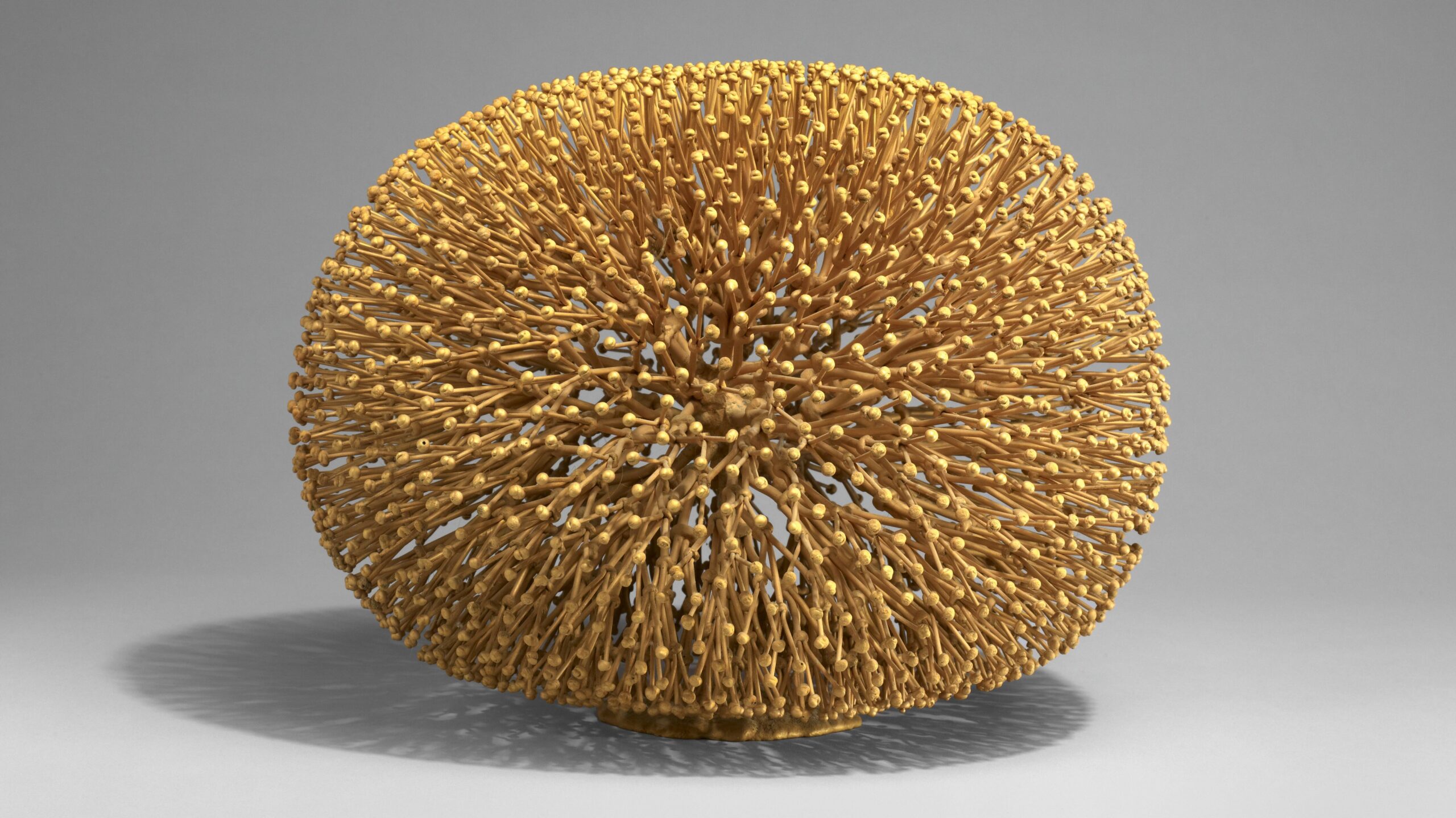
Image provided by The Museum of Fine Arts, Houston.
Art Shared, Lives Touched
The ripples of John’s generosity are felt by hundreds, if not thousands, of people daily. His decorative art and furniture collection has a prominent presence at the MFAH. Currently, John’s sculptures created by Harry Bertoia are on long-term display at the MFAH, a beautiful installation that Doug encourages a visit to. Additionally, Dr. Harrison Hong, the John R. Eckel, Jr. Professor of Financial Economics at Columbia University, received a Guggenheim Fellowship in 2025. In New York City, visitors to the Whitney can enjoy the Eckel Foundation Gallery without purchasing a ticket.
Doug reflected on how John would feel about his impact, saying, “It was always difficult to gauge John’s reaction to anything, but I do feel he would be pleased with the Eckel Foundation’s focus and how we’ve made several higher-profile gifts, which underscores his interest in the visual arts and his love for his alma mater, Columbia. John was an amazing person, and I felt it important that he be remembered for his love of the visual arts and his generosity of spirit.”
As the saying goes, true wealth lies not in what we keep, but in what we share—something that John demonstrated with individuals and institutions. Houston is fortunate to have numerous generous foundations and individuals supporting the arts, and the Eckel Foundation plays a notable role in sustaining the vibrancy of Houston’s impressive arts infrastructure.
For more inspiring stories of impact and generosity, explore our 2025 Annual Report.
More Helpful Articles by Greater Houston Community Foundation:
- What is a Donor Advised Fund? The Complete Guide
- Rooted in Values: How Gifting Land Can Create Lasting Impact
- What Are Qualified Charitable Distributions?
- The Power of Community: Why a Local Donor Advised Fund Tops Commercial Options
- Wealth Preservation with Charitable Giving: The Generation-Skipping Transfer Tax
This website is a public resource of general information that is intended, but not promised or guaranteed, to be correct, complete, and up to date. The materials on this website, including all comments and responses to comments, do not constitute legal, tax, or other professional advice, and is not intended to create, and receipt or viewing does not constitute, nor should it be considered an invitation for, an attorney-client relationship. The reader should not rely on information provided herein and should always seek the advice of competent legal counsel and/or a tax professional in the reader’s state or jurisdiction. The owner of this website does not intend links on the website to be referrals or endorsements of the linked entities.