When Charitable Intent Outlives the Organization: How to Protect Your Philanthropic Legacy
Tailored Philanthropic Solutions
Betty White wanted her philanthropy to endure. Her story offers an important lesson in protecting donor intent and building a charitable legacy designed to last.
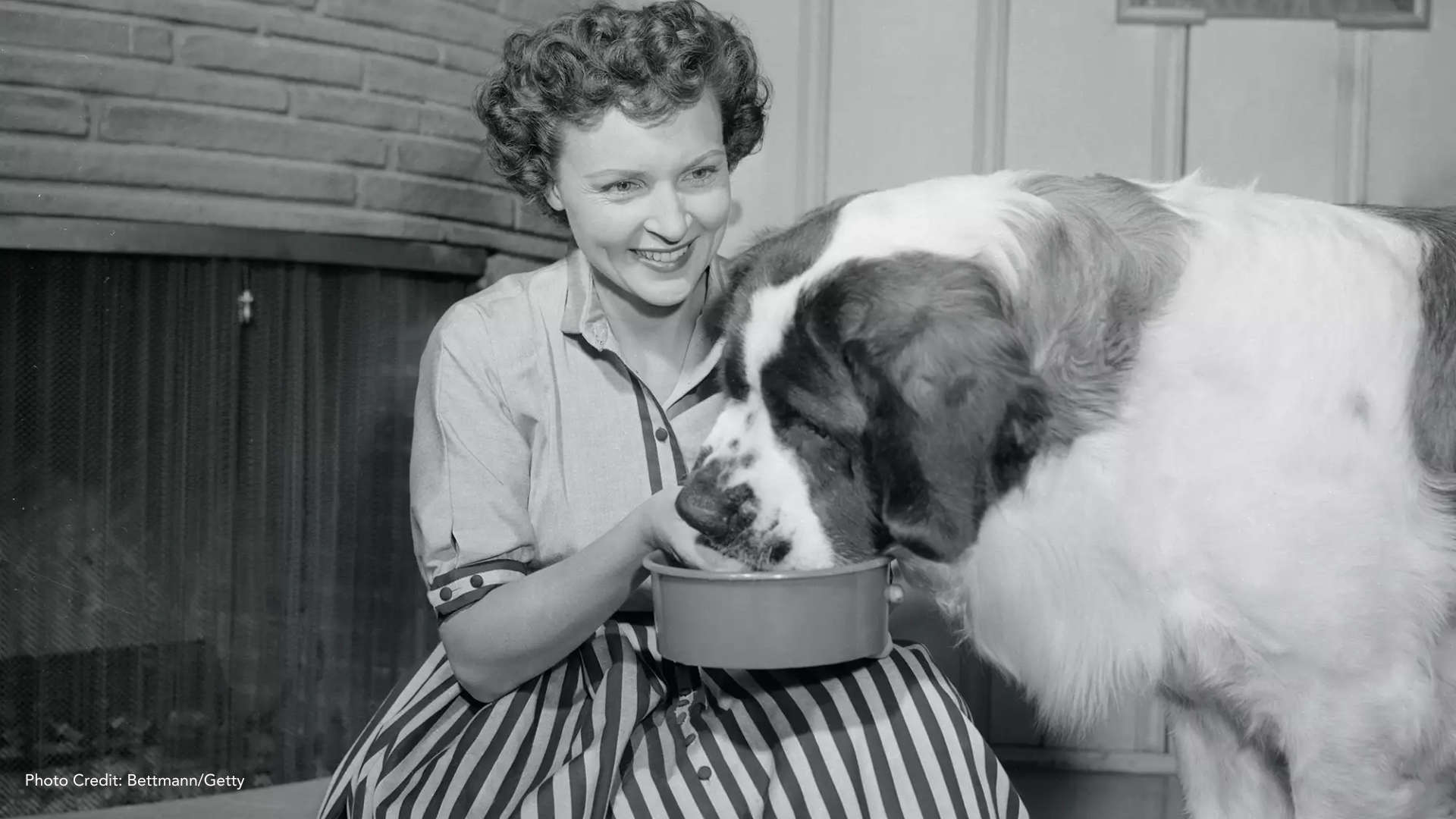
Photo Credit: Bettmann/Getty
Betty White’s love for animals was unmistakable. For decades, she supported the Los Angeles Zoo and played an active role in its fundraising and governance. She cared deeply about the institution and made plans for that support to continue after her lifetime.
Today, however, carrying out those plans has become more complicated.
According to recent court filings, White’s trust directed recurring gifts to the Los Angeles Zoo through the Greater Los Angeles Zoo Association, the Zoo’s longtime nonprofit partner. That relationship ended in 2025, and the association is now involved in litigation with the City of Los Angeles. White’s trustee has asked the court to modify the trust, so the funds can continue reaching the Zoo through organizations currently working with it. The court has not yet ruled on the request.
Her story is a timely reminder: charitable intent can remain constant even as the organizations and circumstances around it change.
When the organization changes, what happens to the gift?
Many people begin legacy planning with a specific nonprofit, program, or cause in mind. That connection is often personal and meaningful. It may reflect years of service, experiences that shaped you or your family, or commitment to an organization’s mission.
But over time, organizations merge. Programs end. Leadership and strategies shift. Nonprofits may dissolve, and partnerships may change. An organization that is well positioned to fulfill a donor’s goals today may look very different in 20, 30, or 50 years from now.
Thoughtful planning can help preserve what matters most: not only the name of an organization, but the purpose behind the gift.
Build flexibility around the purpose you care about
In a region as dynamic as Greater Houston, community needs, nonprofit organizations, and opportunities for impact will continue to evolve. As the region’s community foundation, Greater Houston Community Foundation is committed to evolving with Greater Houston through championing innovative charitable solutions that support our donors, and in turn fuels progress in our region.
Greater Houston Community Foundation helps our donors address important community needs by collaborating with individuals and families to translate their values into charitable plans designed to endure. Together with a donor’s legal and tax advisors, the Community Foundation can help clarify the purpose of a legacy gift and build appropriate flexibility for an evolving community.
A donor may choose to establish a donor advised fund, endowed fund, field-of-interest fund, or another charitable structure based on their goals. Regardless of which charitable giving vehicle a specific individual may leverage, the Community Foundation exists to ensure we provide excellent stewardship of assets entrusted to us and to honor each donor’s intent.
Consider someone who cares deeply about finding a cure for a specific disease. The organization conducting the research is critical. However, when or if they find a cure, the needs will shift from discovery to delivery. Those ideas can lead to two very different estate-planning instructions:
“Give my charitable gift to this organization.”
“Use my charitable gift to advance this purpose, with flexibility to respond as needs and opportunities change.”
That distinction can help a charitable legacy avoid unnecessary constraints and continue creating impact across generations.
“An organization like the Greater Houston Community Foundation—with its infrastructure, deep knowledge, and resources—is best suited to execute my legacy. I trust the Community Foundation to understand my intentions and ensure what I care about is honored, even when I am no longer here. I have full confidence in its ability to take what we’ve discussed and either implement it as planned or make thoughtful decisions to adapt the funds in a way that continues to reflect my values as future needs arise.” — Monica Walker, Community Foundation Fundholder
Plan for the questions no one can answer today
The Community Foundation can help donors and their advisors consider questions such as:
- What if the organization I name no longer exists or merges with another nonprofit?
- What if the program I care about ends or the organization’s mission changes?
- What if another organization becomes better positioned to advance the purpose I care about?
- What if the organization I name resolves the issue it aimed to address with its mission?
- Who will interpret my intent and steward the gift when circumstances change?
- How can my charitable legacy stay relevant for future generations?
This enduring stewardship is one of the most important roles the Community Foundation can play. By capturing not only what a donor wants to support, but why it matters to them, the Community Foundation helps preserve the meaning behind the gift. That clarity, combined with deep knowledge of the community and its evolving nonprofit landscape, allows future charitable decisions to remain grounded in the donor’s values, responsive to changing needs and capable of creating meaningful impact, even when the original path is no longer available.
“The Community Foundation’s legacy program has given us peace of mind. Now we don’t worry about what is going to happen to these funds when we are gone, and the team did a great job educating us on all our estate planning options.” – J.C. Howell, Community Foundation Fundholder
Learn more about Sarah and J.C. Howell’s legacy rooted in humility.
Choose the structure that fits your goals
White’s planning also illustrates that there is no single “right” charitable vehicle. The Los Angeles Zoo has noted that she established a private foundation before her death that continues to support programs including Zoo Pals.
A private foundation may be appropriate for donors who want significant control, family involvement, and are prepared for the related governance and administrative responsibilities. Alternatively, a donor advised fund may provide flexibility with fewer administrative demands, while an endowed fund at the Community Foundation can create a lasting source of support aligned with a donor’s enduring purpose.
The right structure depends on the donor’s goals, family circumstances, charitable interests, and desired level of involvement. The more important question is not simply, “Where should I give?” It is, “How can I help ensure my charitable intentions continue to matter?”
Continue exploring with this Guide to Charitable Giving Vehicles.
A legacy designed to remain meaningful
A strong charitable estate plan considers who may receive a gift, why the donor is giving, how that purpose should be interpreted over time, and what should happen if circumstances change. The Community Foundation can bring donors, families, attorneys, financial advisors, and nonprofit organizations together to navigate those questions with care.
The most meaningful charitable legacies are not always the ones that remain unchanged. They are the ones thoughtfully designed to remain relevant, responsive, and true to the donor’s values.
If charitable giving is part of your estate plan, you do not have to answer these questions alone. Greater Houston Community Foundation can work alongside you, your family, and your professional advisors to clarify your charitable intent and explore a structure designed to carry it forward.
Connect with our philanthropic advising team to start a conversation about the legacy you want to create for Greater Houston and the causes that matter most to you.
More Helpful Articles by Greater Houston Community Foundation:
- Choosing Between Donor Advised Fund Providers
- Giving as a Family: Creating a Tradition of Generosity Across Generations
- Tips for Year-End Giving
- Why Philanthropic Planning is Essential for Today’s Wealth Advisors
This website is a public resource of general information that is intended, but not promised or guaranteed, to be correct, complete, and up to date. The materials on this website, including all comments and responses to comments, do not constitute legal, tax, or other professional advice, and are not intended to create, and receipt or viewing does not constitute, nor should it be considered an invitation for, an attorney-client relationship. The reader should not rely on information provided herein and should always seek the advice of competent legal counsel and/or a tax professional in the reader’s state or jurisdiction. The owner of this website does not intend links on the website to be referrals or endorsements of the linked entities.