Drafting a Family Mission Statement and Giving Plan
Family & Next Gen Philanthropy
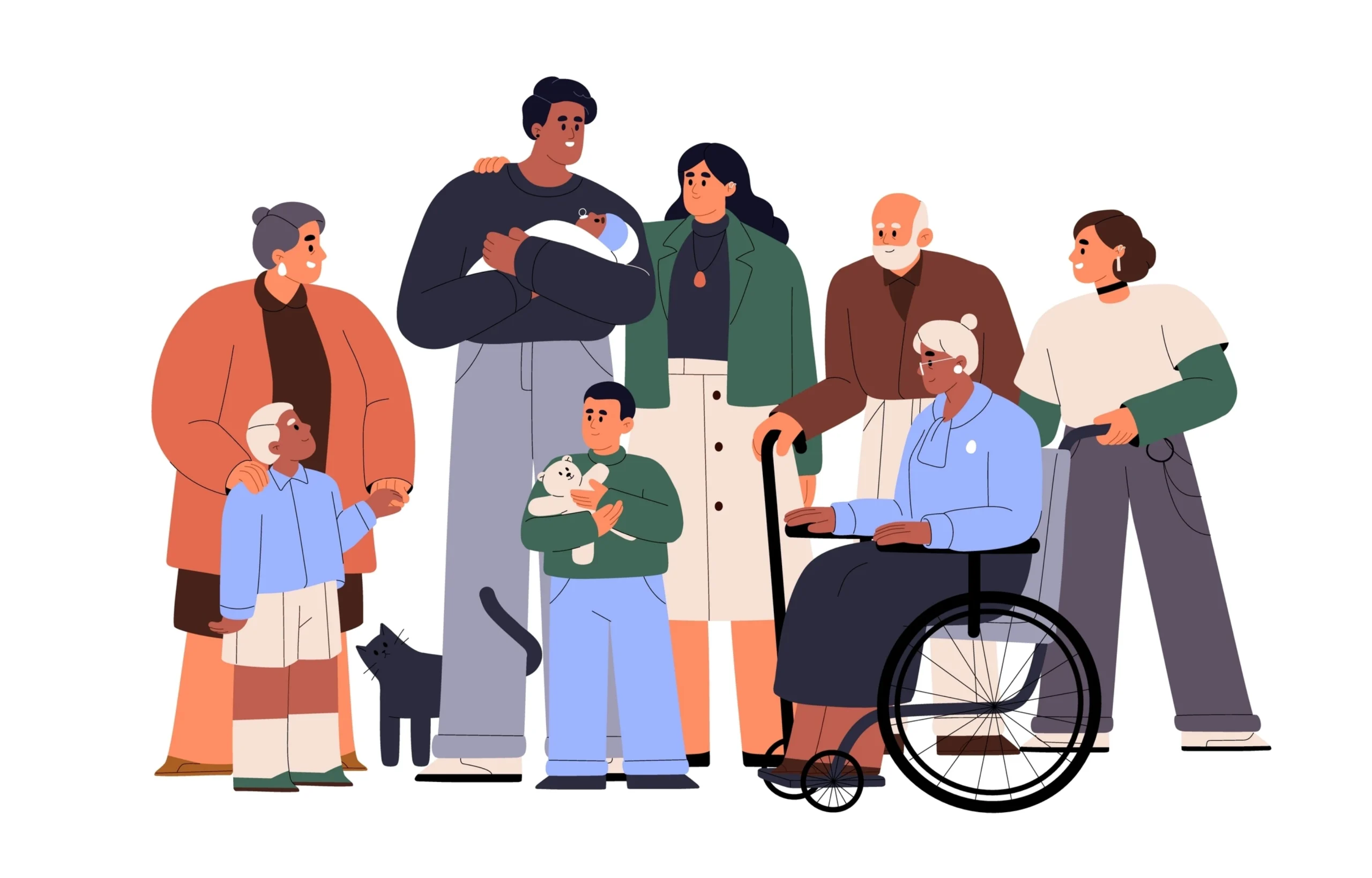
You’ve likely heard of a family mission statement, but do you know why they’re so important? Many families create mission statements to articulate their shared values and guide major life decisions, and in philanthropy, they can be even more important and useful.
My own family drafted a mission statement when my children were very young and now that they are adults, I can see how the mission statement has helped shape who they are today.
Here is what we came up with when our kids were young: Our purpose is to be honorable, kind and respectful through being in nature, cooking and gardening, and enjoying music and literature together. These activities will help us learn how to contribute to the world’s health, happiness and peace.
Wealth can be transferred through careful estate planning and strategic financial vehicles, but values necessitate active teaching, modeling, and reinforcement across generations. Generational wealth can provide financial security for future generations, but without shared values and financial and philanthropic education, it’s difficult to create a lasting, meaningful legacy. Family philanthropy is about more than which companies the next generation should be investing inheritance in–it’s about what problems our resources can help solve for future generations and sometimes even how to further align your investment portfolio with your values and with impact.
Preserving your family’s charitable impact requires the same level of planning and documentation as preserving financial assets. When you have a clear framework for family life and shared values, philanthropic intentions are less likely to become diluted or lost entirely as decision-making transfers to the next generation.
A family mission statement can serve as both a compass and an anchor for your family’s charitable future. It creates alignment around shared priorities, provides clarity for complex grantmaking decisions, and helps ensure that your family identity remains connected to the causes that matter most to you. Rather than leaving your philanthropic legacy to chance, a thoughtful mission statement empowers every family member to contribute meaningfully to your impact.
At Greater Houston Community Foundation, we serve as facilitators of these meaningful family conversations, helping Houston families translate their values into actionable giving strategies. If you’re looking to engage in family philanthropy in Houston, you need to get in touch with the Community Foundation.
Key Insights
- A family mission statement for philanthropy provides a documented framework that guides both current grantmaking and future charitable decisions, helping ensure your values continue shaping impact across generations.
- The process of creating a mission statement clarifies shared values, engages younger family members in meaningful philanthropy conversations, and strengthens long-term impact by enabling strategic rather than reactive giving.
- Effective mission statements include core values, areas of focus, desired impact, giving approach, and legacy intentions for how philanthropy will evolve across generations.
- Donor advised funds at Greater Houston Community Foundation provide the ideal vehicle for implementing your family mission, offering centralized giving, multi-generational involvement, and flexible grantmaking aligned with your documented priorities.
- Common challenges like differing family opinions, engaging younger generations, and maintaining momentum can be overcome through facilitated conversations, structured participation opportunities, and regular family philanthropy meetings supported by the Foundation.
Table of Contents
- What is a mission statement for philanthropy?
- Why creating a family mission for philanthropy is important
- What makes a strong family giving plan?
- Writing a family mission statement for giving: step-by-step guide
- How a donor advised fund can support your family’s mission
- Drafting a philanthropic family mission statement? The Community Foundation can help.
What is a mission statement for philanthropy?
A philanthropic family’s mission statement is a written declaration of your family’s shared values, charitable priorities, and long-term giving goals. Unlike casual conversations about giving or one-time charitable decisions, a formal mission statement provides a documented framework that guides both current grantmaking and future philanthropic choices.
This foundational document serves multiple functions:
- It articulates why your family engages in charitable giving, connecting your philanthropy to your core beliefs and the experiences that shaped them.
- It defines what types of causes and organizations align with your family’s vision for creating positive change.
- It establishes how you approach grantmaking—whether through direct support, capacity building, collaborative funding, or other means.
Most importantly, creating a family mission for charitable giving ensures continuity across generations. When you integrate donor advised funds or legacy planning vehicles into your generational giving, your mission statement becomes the guiding philosophy that informs every charitable decision your family makes, both during your lifetime and long after.
How philanthropic statements differ from general family mission statements
While some families develop broad mission statements about their overall values and priorities, a philanthropic mission statement focuses specifically on charitable impact. General family mission statements might address family traditions, educational aspirations, business principles, or lifestyle values that guide everyday decisions and family relationships.
A philanthropic mission statement and giving plan by contrast, are explicitly tied to your charitable vehicles—whether that’s a donor advised fund, a scholarship program, family foundation or planned giving strategies integrated into your estate plan. A mission statement and giving plan address questions that general family mission statements don’t cover, such as:
- Which social issues will receive priority?
- How will you measure impact?
- What role will each generation play in grantmaking decisions?
- How will you balance supporting established institutions versus emerging grassroots organizations?
Why creating a family mission for philanthropy is important
It clarifies shared values
The process of creating a family mission statement for charitable giving naturally surfaces the values that truly matter to your family. Through facilitated discussions, family members identify which causes resonate most deeply and why. Whether it’s education because family members benefited from scholarships, healthcare due to personal medical experiences, or environmental conservation because of a shared love of the outdoors.
This clarification process often reveals common ground that wasn’t previously apparent. While individual family members might initially advocate for different causes, the conversation typically uncovers underlying shared principles that unite seemingly disparate interests.
It engages the next generation
One of the most powerful benefits of developing a family philanthropy mission statement is how it creates meaningful opportunities for multi-generational engagement. When younger family members participate in drafting the mission, they develop ownership of your family’s charitable legacy rather than simply inheriting directives they didn’t help create.
This engagement builds philanthropic literacy and decision-making skills that will serve the next generation well as they assume greater responsibility for family giving. The Community Foundation has seen families transform their giving approach by involving children and grandchildren early in the process. Mission statements can become living documents that evolve as each generation contributes their perspectives while honoring the founding principles established by previous generations.
It strengthens your long-term impact
Strategic philanthropy creates greater impact than reactive giving. Families with clear mission statements can commit to multi-year funding strategies that allow nonprofit partners to plan effectively, build capacity, and achieve sustainable outcomes. Rather than making one-time grants based on immediate appeals, mission-guided families can become reliable partners in addressing complex social challenges or supporting organizations through scale and innovation.
This strategic focus also allows families to direct resources toward areas where they can make the most meaningful difference. A well-defined mission helps families resist the temptation to spread funding too thin across too many causes, instead concentrating resources where they can achieve measurable results aligned with family priorities.
It simplifies grantmaking decisions
With thousands of worthy nonprofit organizations in Houston alone, families without a clear mission can feel overwhelmed by the sheer number of funding requests they receive. A thoughtful mission statement provides an objective framework for evaluating opportunities, making it easier to say yes to requests that clearly align with your priorities and gracefully decline those that don’t, regardless of how compelling they might be.
What makes a strong family giving plan?
The most effective family mission statements create a reliable framework for charitable giving and family education. While the specific content will vary based on your family’s unique values and goals, these elements provide the structure necessary for meaningful guidance.
| Element | Details |
| Core values | The fundamental beliefs and principles that drive your family’s commitment to philanthropy. These might include compassion, justice, stewardship, community responsibility, or faith-based convictions. |
| Areas of focus | The specific issue areas or populations your family prioritizes—like education, healthcare, poverty alleviation, arts and culture, environmental conservation, or support for specific demographic groups or geographic communities. |
| Desired impact | The change you hope to create through your giving. This might emphasize prevention versus intervention, systemic change versus direct service, local versus broader impact, or other strategic priorities that define success for your family. |
| Giving approach | How your family makes charitable decisions, including whether you prefer hands-on involvement or delegation to professional advisors, single-year versus multi-year grants, operating support versus program funding, and collaborative versus independent grantmaking. |
| Legacy intentions | How you envision your family’s philanthropy evolving across generations, including provisions for successor advisors, mechanisms for updating the mission as circumstances change, and expectations for ongoing family participation in charitable decisions. |
Writing a family mission statement for giving: step-by-step guide
Step 1: Gather the family
Begin by bringing together all family members who will participate in your philanthropic decision-making. This might include the current generation of wealth holders, adult children, and potentially grandchildren old enough to contribute meaningfully to the conversation.
Schedule sufficient time for a thorough discussion. This conversation should not be rushed. Many families find that a dedicated half-day or full-day session, often facilitated by the Community Foundation or another neutral third party, creates the focused environment necessary for productive dialogue.
Step 2: Identify shared values, create a shared vision
Use facilitated exercises to surface the values that truly unite your family. Some effective approaches include asking each family member to share formative experiences that shaped their commitment to giving, identifying family traditions or stories that reflect your collective character, or discussing what you hope future generations will say about your family’s impact on the community.
Document these shared values explicitly. Rather than assuming everyone understands what you mean by terms like “community,” “opportunity,” or “justice,” take time to define these concepts as your family understands them. This shared vocabulary becomes the foundation for your mission statement and subsequent grantmaking conversations.
Step 3: Define your priorities, define your family identity
With your shared values clearly articulated, work together to translate them into specific charitable focus areas. This requires making difficult choices about where to concentrate your resources for maximum impact. Consider questions like:
- Which issues affect communities we care about most significantly?
- Where can our family’s unique expertise, networks, or resources create the greatest leverage?
- Do we want to focus locally, nationally, or internationally?
- Should we concentrate deeply on one or two areas, or maintain broader engagement?
- Are there specific populations or geographic communities we feel called to support?
The Community Foundation can provide valuable perspective during this prioritization process. We can share data about community needs in Houston, introduce you to nonprofit leaders working in areas of interest, and help you understand where funding gaps exist.
Step 4: Draft the statement
With your values and priorities clearly defined, begin writing your family mission statement for philanthropy. Effective statements are typically concise, usually one to three paragraphs, while still capturing the essential elements that will guide your giving decisions.
- Develop a brief explanation of the beliefs and experiences that motivate your family’s commitment to charitable giving–your “why.”
- Articulate your family’s focus areas and the type of impact you hope to create
- Decide your family’s approach grantmaking
- Determine your family’s vision for continuing this work across generations
Write in language that feels authentic to your family. Avoid jargon or overly formal phrasing that doesn’t reflect how your family actually communicates. The mission statement should be something every family member can read, understand, and feel connected to, not a document that sounds like it was written by committee or lifted from another family’s mission statement template.
Step 5: Review and revisit
After drafting your initial mission statement, allow time for reflection before finalizing it. Share the draft with family members for individual review, then reconvene to discuss any suggested refinements. This iterative process ensures that the final statement truly represents your collective vision rather than just the perspective of whoever held the pen during the drafting session.
Mission statements should evolve as your family’s circumstances change. Plan to revisit your mission every few years, especially after significant family events like weddings, births, deaths, business transitions, or when new generations become active in grantmaking. These periodic reviews keep your mission current while maintaining connection to your founding values.
How a donor advised fund can support your family’s mission
Donor advised funds can be the ideal vehicle for implementing your family mission statement. As a centralized giving platform, a DAF at Greater Houston Community Foundation allows you to translate your mission into action while enjoying significant practical and tax advantages.
The flexibility of donor advised funds makes them particularly well-suited to family philanthropy. You can involve multiple generations as advisors on your fund, creating structured opportunities for younger family members to participate in grantmaking decisions aligned with your mission.
DAFs also simplify the administrative aspects of mission-driven giving. Rather than managing relationships with dozens of individual nonprofit organizations, your family makes a single contribution to your donor advised fund, receives an immediate tax deduction, and then recommends grants to qualified charities over time as opportunities aligned with your mission arise.
The Community Foundation serves as your partner in mission-driven grantmaking by providing research on nonprofit organizations working in your focus areas, facilitating family meetings when decisions require collective input, and helping structure legacy provisions that ensure your mission continues guiding charitable decisions across future generations.
Whether you’re exploring opportunities in education, healthcare, community development, or any other priority area defined in your mission, our deep connections throughout Houston’s nonprofit sector can help you identify effective partners for your philanthropic goals.
Drafting a philanthropic family mission statement? The Community Foundation can help.
Greater Houston Community Foundation serves as a partner throughout the entire family mission statement development and implementation process and beyond. Our team of philanthropic advisors brings decades of experience facilitating family philanthropy conversations, helping families work through complex dynamics, and ensuring that mission statements translate into meaningful community impact.
Beyond facilitation, the Community Foundation provides comprehensive charitable planning expertise. We can discuss the relative advantages of different giving vehicles—from donor advised funds to scholarship programs to more complex structures like private foundations. We help families understand tax implications of various charitable giving strategies, coordinate with your existing financial and legal advisors to ensure seamless integration with your broader estate plan, and structure legacy provisions that help make sure your mission guides grantmaking long into the future.
Our deep connections throughout Houston’s nonprofit community mean we can introduce you to vetted charitable partners working effectively in your focus areas. Whether you’re a DAF donor or are curious about how private family foundation tax benefits can facilitate your giving, Greater Houston Community Foundation has answers.
We serve not just as administrators of your charitable funds, but as genuine partners invested in helping your family maximize both your philanthropic impact and your personal fulfillment through giving. Call us at 713-333-2210 or reach out directly to get started.
More Helpful Articles by Greater Houston Community Foundation:
- Charitable Giving and the Estate Tax
- Guide to Charitable Remainder Trusts
- Guide to Donating Illiquid Assets
- Guide to Donating Life Insurance to Charity
- How Do Charitable Lead Trusts Work?
This website is a public resource of general information that is intended, but not promised or guaranteed, to be correct, complete and up to date. The materials on this website, including all comments and responses to comments, do not constitute legal, tax, or other professional advice, and is not intended to create, and receipt or viewing does not constitute, nor should it be considered an invitation for, an attorney-client relationship. The reader should not rely on information provided herein and should always seek the advice of competent legal counsel and/or a tax professional in the reader’s state or jurisdiction. The owner of this website does not intend links on the website to be referrals or endorsements of the linked entities.