Purposeful Giving: Place-Based Philanthropy at Emancipation Park Conservancy
Stories & Perspectives
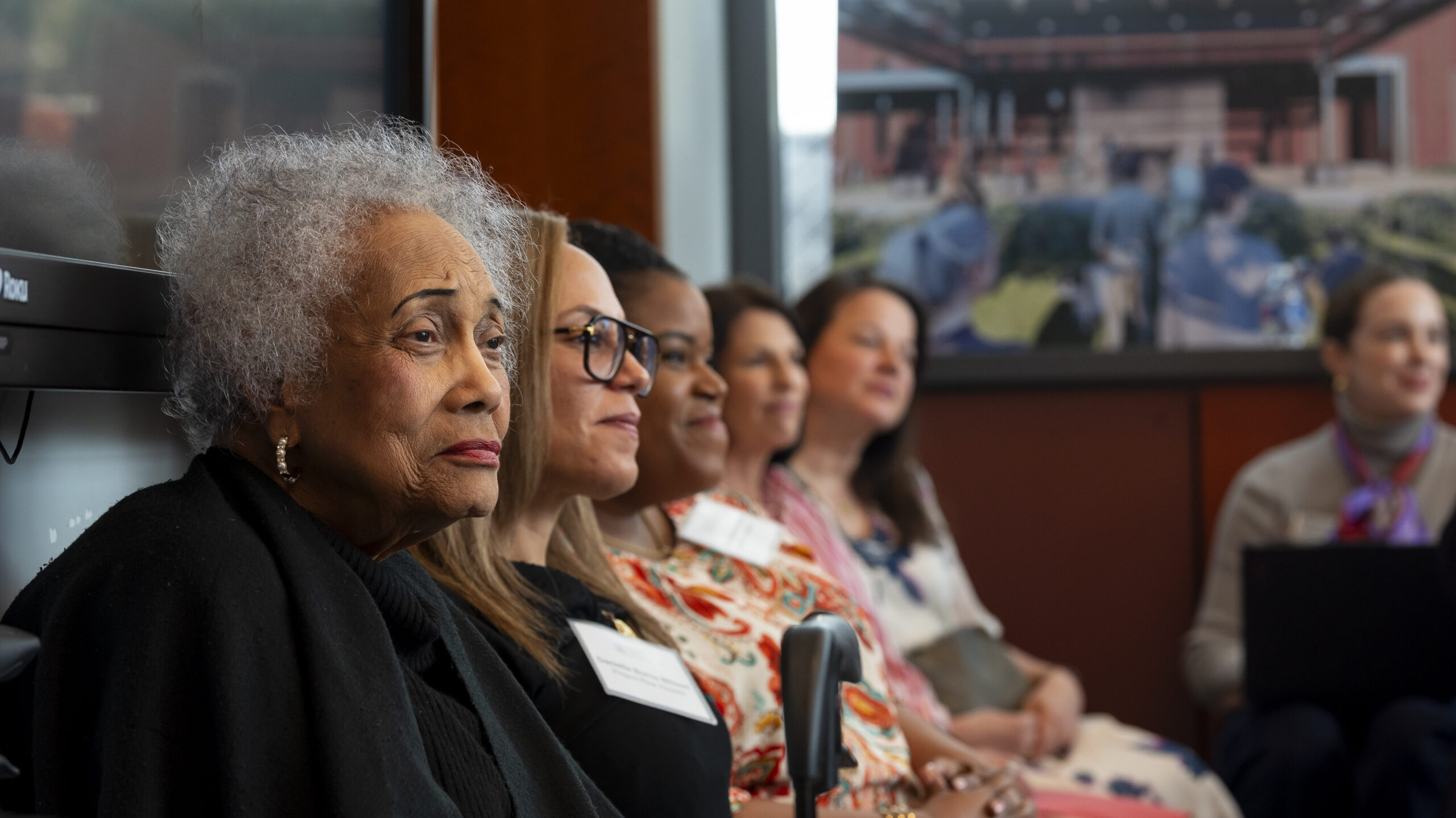
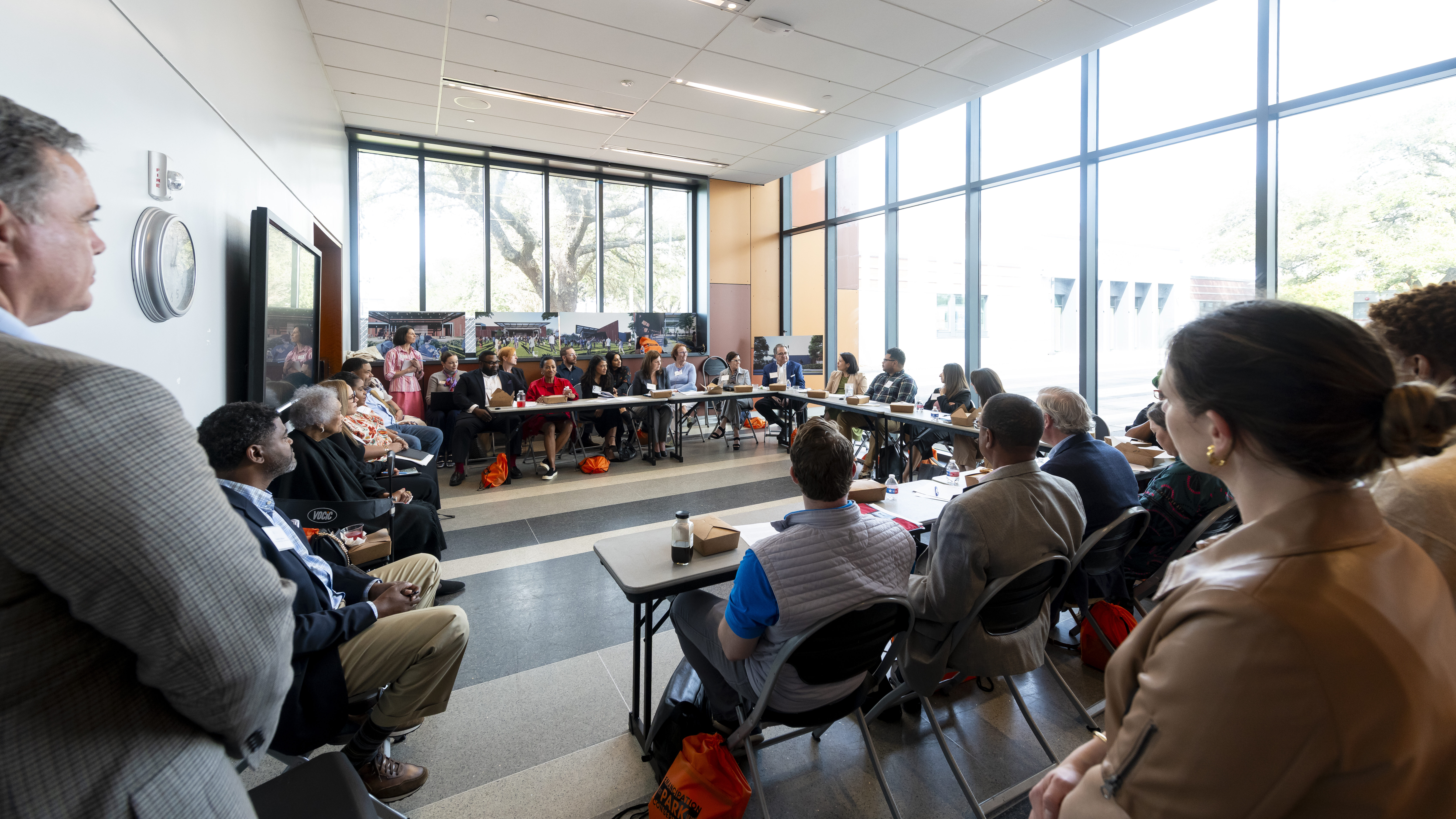
Greater Houston Community Foundation recently hosted an energizing Lunch & Learn at Emancipation Park Conservancy (Conservancy), where attendees heard firsthand how the Conservancy and its partners are championing the long-term protection and preservation of Houston’s historic Third Ward.
This conversation underscores why place-based giving matters—and how listening directly to residents ensures that investments truly reflect the community’s needs and priorities. Through its programs, partnerships, and sustained advocacy, the Conservancy is responding to what neighbors say they need most, strengthening a community with deep cultural, historical, and social significance.
Read more to understand the power of place-based philanthropy and how these efforts are creating lasting impact in Third Ward.
What is Place-Based Philanthropy?
Place-based philanthropy is an approach to giving that focuses on a specific geographic area to help communities thrive. While the term can be used on different scales—by national funders working in a region or city, or by regional funders grounding their work locally—it is always rooted in a belief that place matters. In this article, we use place-based philanthropy to describe neighborhood-level investments that are shaped by the people who live there and aligned with the unique strengths, history, and priorities of a community.
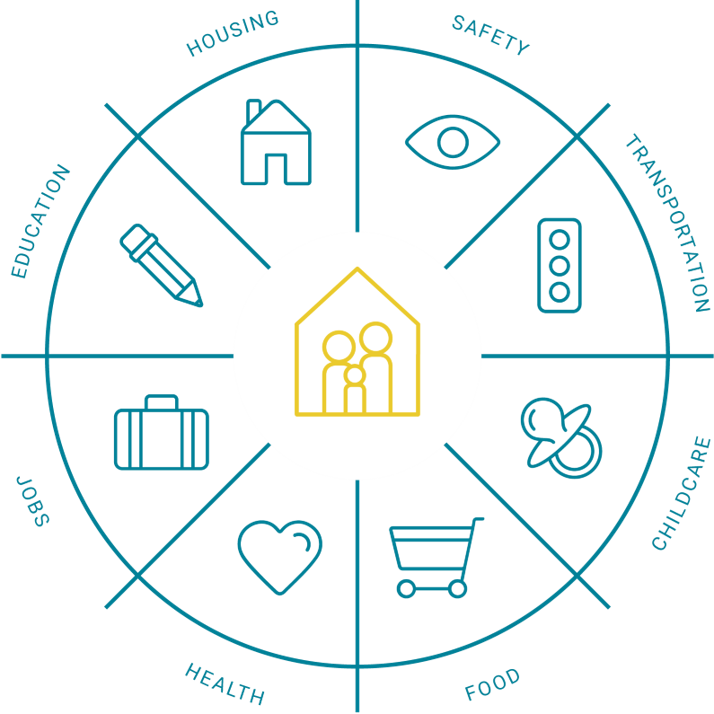
At the neighborhood level, place-based philanthropy is typically targeted and holistic, concentrating investment in communities with high need and limited access to opportunity while addressing the multiple interconnected factors that shape residents’ outcomes. The neighborhood’s residents direct the path and rather than funding individual programs in isolation, place-based philanthropy invests in a place’s ecosystem, supporting people and institutions across multiple issue areas (e.g., education, health, housing). Often, these approaches center on community assets and aspirations, engaging residents in meaningful ways to inform, lead, and sometimes decide how investments unfold in their communities and lives.
Why is Place-Based Philanthropy Needed?
Place and experience across a person’s lifespan meaningfully shape their opportunities. Groundbreaking research from Opportunity Insights shows that children born into low-income families experience dramatically different outcomes as adults depending on where they grow up. In Harris County, there are neighborhoods fewer than 15 miles apart where future income for children from low-income families differs by $50,000.
The inverse is also true: A lack of opportunity is persistent across places. Neighborhoods with limited opportunity are often the same neighborhoods experiencing a confluence of adverse outcomes, such as concentrated poverty, low household incomes, lower educational attainment, and lower life expectancy.
Research shows that a single factor does not drive an individual’s ability to thrive. To succeed, individuals and families need access to multiple reinforcing conditions simultaneously. The Urban Institute’s Upward Mobility Framework highlights several of these reinforcing conditions, spanning rewarding work, high-quality education, opportunity-rich and inclusive neighborhoods, a healthy environment, access to good health care, and responsive and just governance. Because the potential for upward mobility is largely shaped in place and by multiple systems, meaningful progress at scale cannot be achieved through piecemeal efforts alone. Meaningful progress requires holistic strategies that go deep in the neighborhoods with the greatest need.
Philanthropy’s Role in Place-Based Efforts
Philanthropy plays a unique role in making place-based work possible, often by:
- Providing long-term capital that matches the time horizon required for neighborhood-level change (7 to 10 years at minimum, often longer)
- Funding coordination capacity that can convene the table of cross-sector partners required for this type of holistic work, often attracting public sector investment if intentionally pursued
- Offering flexible and adaptive funding that can respond to resident priorities/needs and evolving conditions at the neighborhood level
- Providing proof of concept for a model that is adapted to the unique conditions of a specific place that can attract public investment
With this context established, let’s dive deeper into the Conservancy’s place‑based work—and how these initiatives are helping to uplift and preserve Third Ward.
More Than a Park: A Historical Perspective
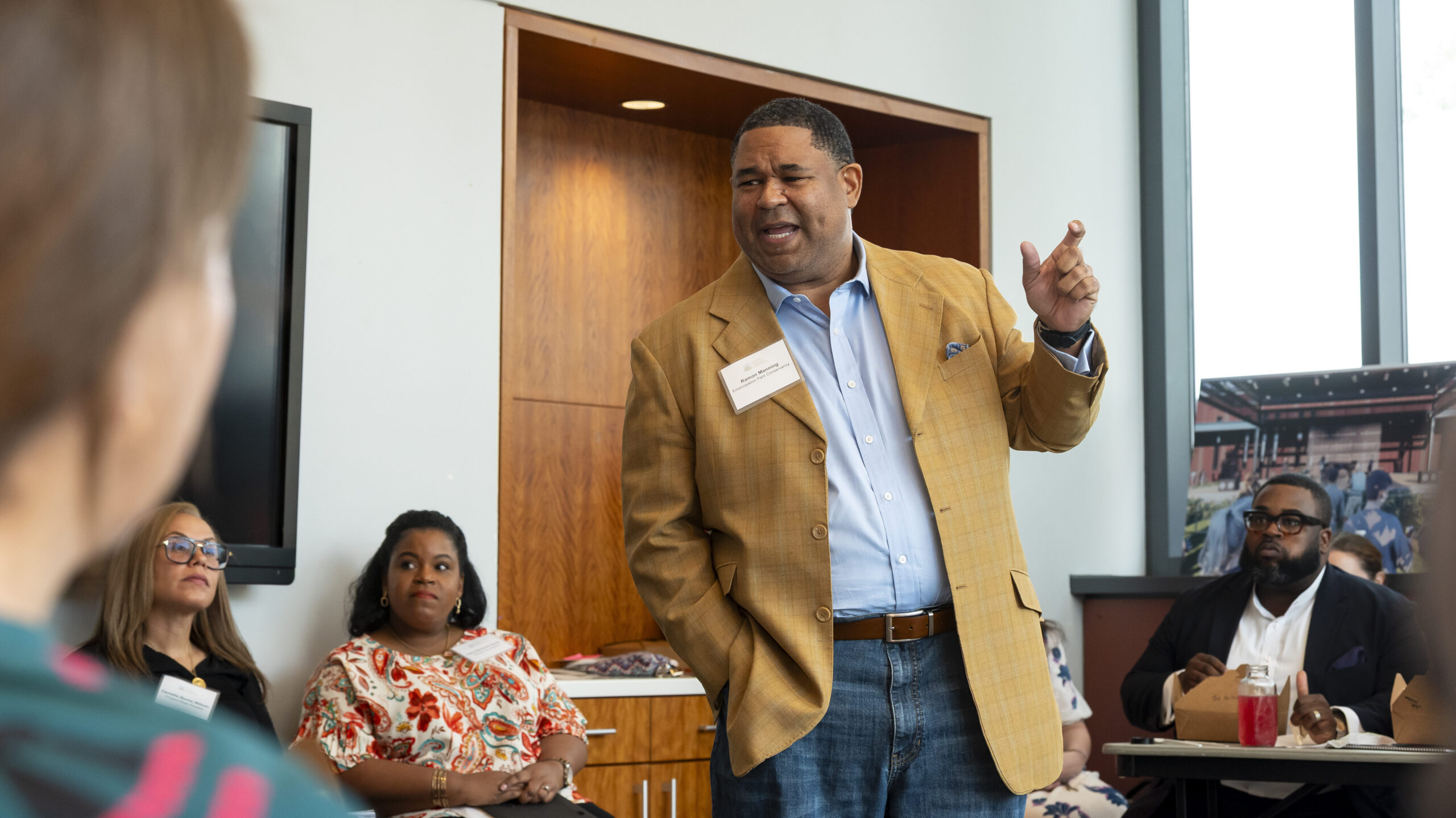
Emancipation Park is so much more than a recreational park; it is a living landmark, rich with history and central to the story of Houston’s Third Ward. Emancipation Park was originally part of the land granted in 1839 to James S. Holman, Houston’s first mayor. The parcel was purchased in 1872 for $800 by a group of formerly enslaved African Americans. Ramon Manning, Chairman of the Emancipation Park Conservancy, shared, “This group of people, who were just out being enslaved, had the foresight to build community. They were not thinking about recreation; they were thinking about celebrating freedom and coming together to be communal.” They understood that their community needed a gathering space after freedom, as there were limited places to go.
In 1916, Emancipation Park was donated to the City of Houston. For more than twenty years, Emancipation Park was the only public park in Houston open to African Americans. Jacqueline Whiting Bostic, the Vice Chairman of Emancipation Park Conservancy, informed the group that, “Emancipation Park was the first park in Houston and Texas. There were no other parks… after forming a church, the community needed more space for gatherings, and that is how it all started. They bought 10 acres in the middle of a lot on undeveloped land.”
Juneteenth, the day that marks the emancipation of enslaved Black Americans, was first celebrated at Emancipation Park 150 years ago. This holiday, with its origins right here in Houston, is now recognized nationwide. Mrs. Bostic highlighted, “This history is not well known; it is not always included in the history books. It is important for us to know and understand who and whose we are and the shoulders of the people we stand on.” As the site of the original Juneteenth celebration and one of the first parks in the nation purchased by African Americans specifically for this purpose, Emancipation Park continues to stand as a powerful symbol of a pivotal moment in both Texas and American history.
Trust, Voice, and Place: Community Perspective
In 2017, the Conservancy completed a renovation after receiving a $33.6 million investment—the largest redevelopment investment in a community of color in the area—which brought both excitement and concern. This investment was made possible with funding from the OST/Almeda Redevelopment Corridors-Tax Increment Reinvestment Zone No. 7 (TIRZ#7), Texas Parks & Wildlife Department, Houston Endowment, Kinder Foundation, Timken Foundation of Canton, and the City of Houston, a notable example of how when public-sector funding and philanthropy come together, we can truly move the needle for Houston.
Some residents worried that outside influences could dramatically change the neighborhood’s fabric and character. In response, the Conservancy prioritized meaningful community engagement, ensuring that involvement is grounded in proper inclusion, transparency, and context. As Phase 2 continues to move forward, with an additional $18.5 million planned, community members remain enthusiastic. They believe Houston must continue telling this story and creating spaces that welcome everyone.
Ramon explained that during the Conservancy’s strategic planning process, they held numerous sessions with community members to ensure their voices guided the work. “We asked what they wanted to see happen before any renovations began,” he shared. He emphasized that because the Conservancy is part of the community, meaningful engagement must happen through formal channels and through more grassroots, everyday conversations. “If you take the time to ask,” he said, “people will tell you what they need.”
Call & Response: Partnership Perspective
Project Row Houses (PRH) has deep roots in Third Ward, encompassing five city blocks and housing 39 structures that serve as a home base for a variety of community-enriching initiatives, art programs, and neighborhood development activities. Their programs focus on helping under-resourced neighborhoods, ambitious single mothers seeking a better life for their families, small businesses, and artists.
Danielle Burns Wilson, Executive Director and Art Director at PRH, spoke about PRH’s role as an intermediary in the community: “We do creative place-keeping, we aim to keep the residents and place intact.” She referenced the German Artist, Joseph Beuys, who said, “Every human being is an artist, a freedom being, called to participate in transforming and reshaping the conditions, thinking, and structures that shape and inform our lives.” This quote resonates with PRH’s mission, as it aims to enhance Third Ward in ways the community wants and needs, while sharing the artistic and cultural legacy of Third Ward.
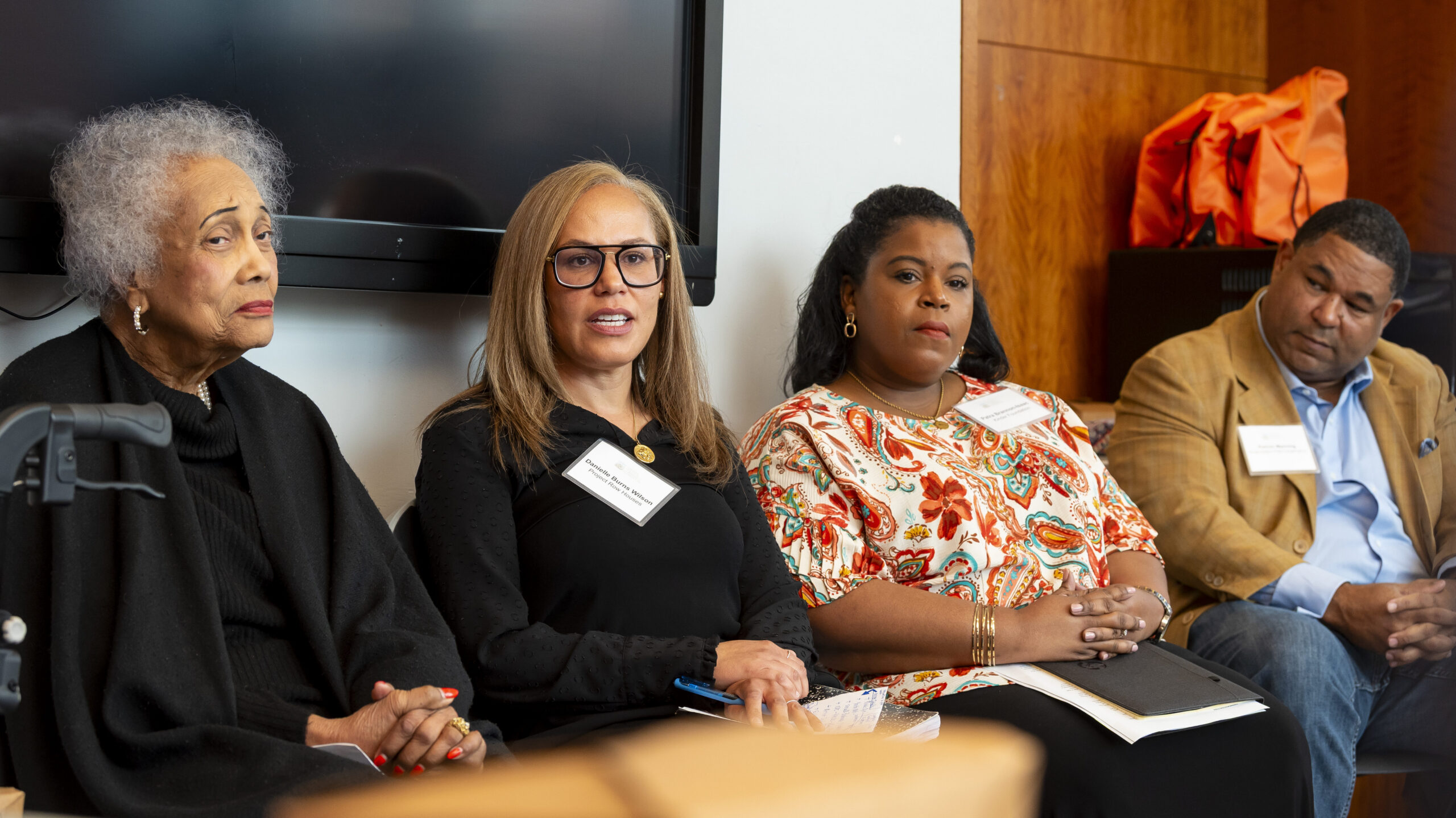
In 1999, the landmark Eldorado Ballroom was gifted to PRH, a historic venue that has welcomed generations of Third Ward residents for dancing, celebrations, and special occasions. According to Houston History Magazine, in the 1920s and 1930s the Ballroom earned a reputation as “a special haven for dancers,” offering a rare safe place for cultural expression in a racially segregated urban environment. PRH oversaw a four-year renovation of the Ballroom to restore its historic façade and finishes, while adding modern accessibility standards and upgraded operating systems. The space now has commercial activity on the first floor as part of PRH’s small business incubator, while the second floor remains a venue. Currently, there are a variety of businesses, ranging from Kindred Stories, a bookstore committed to celebrating the works of Black authors, to a space for piano lessons, and even The Rado’ Market, which is a cafe and local market. Danielle expanded, “We don’t do anything unless the community says we need it done—calling in response.”
PRH partners with the Conservancy and other community institutions, such as Third Ward Cultural District, to bring people together through a variety of programs. Holiday in the Tre’ and the Juneteenth Houston celebrations, including a kick-off event in early June, the Annual Celebrate Freedom Festival, and the Black Houston Bus Tour of Houston’s historic Black sites. Ramon shared, “How do we create a high-tide all boats ride environment? How do we spur economic opportunities? We engage with vendors in the community for our big celebrations and events. We sign contracts with our neighbors. This is critical.”
A Community Worth Rallying Around: Funder’s Perspective
For the Kinder Foundation, its support began with a deep appreciation for Emancipation Park’s history—a story rooted in freedom, resilience, and community. Learning more about Emancipation Park’s origins as the first public park purchased by formerly enslaved African Americans only strengthened that curiosity.
The Kinder Foundation was also intrigued by the park’s potential to serve as a rallying place—a space where community identity, pride, and cultural assets could come together. In 2014, the Kinder Foundation committed $5 million to the park renovation, recognizing an opportunity to build on existing momentum and advance a shared vision. Over time, that commitment expanded. In 2016, the Kinder Foundation provided additional support for park programming and operations, and in 2025, it helped to fund phase two of the renovations.
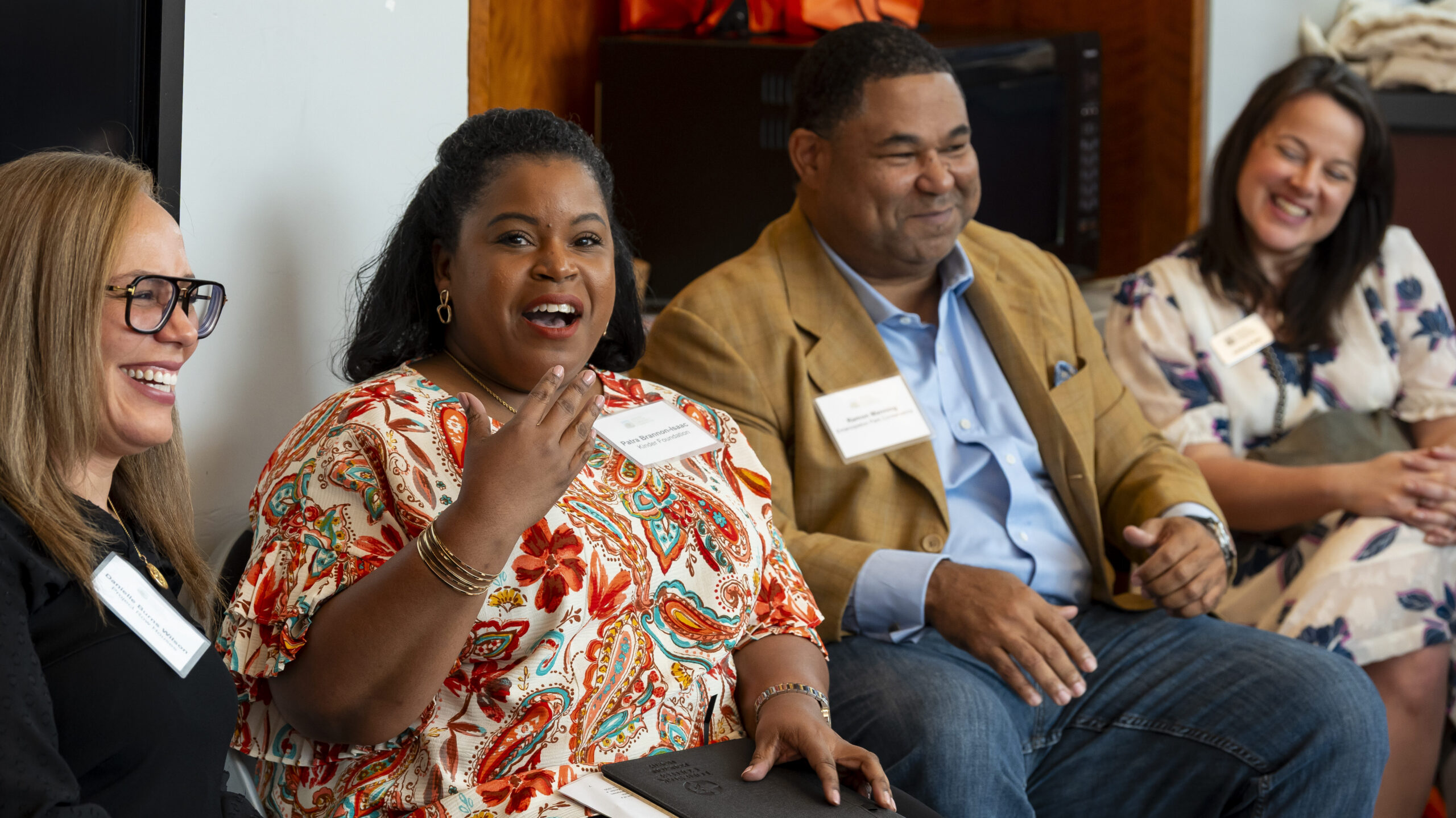
Sustaining the surrounding community, especially amid gentrification pressures, required a broader partnership. This led to additional investments in PRH to support programs that enrich and stabilize the neighborhood, as well as support projects that strengthen community identity, including the restoration of the historic Eldorado Ballroom. “The Kinder Foundation supports programs that enrich the community,” shared Patra Brannon-Isaac, Director of Education and Community Projects at the Kinder Foundation. “It’s critical to have community partnerships, funders who listen, and acknowledgment of the work that has previously been done.”
As of August 2025, the Kinder Foundation has invested more than $54 million in Third Ward organizations and landmarks beyond the Conservancy and PRH, which include MacGregor Park, Lawson Academy, Yellowstone Academy, Emancipation Economic Development Council, The Law Harrington Senior Living Center, Blue Triangle, University Village Pocket Park, and more. The Kinder Foundation demonstrates the true role of philanthropy: partnering with communities, honoring their stories, and helping create spaces where everyone can see themselves reflected.
What Matters Most: Attendee Perspective
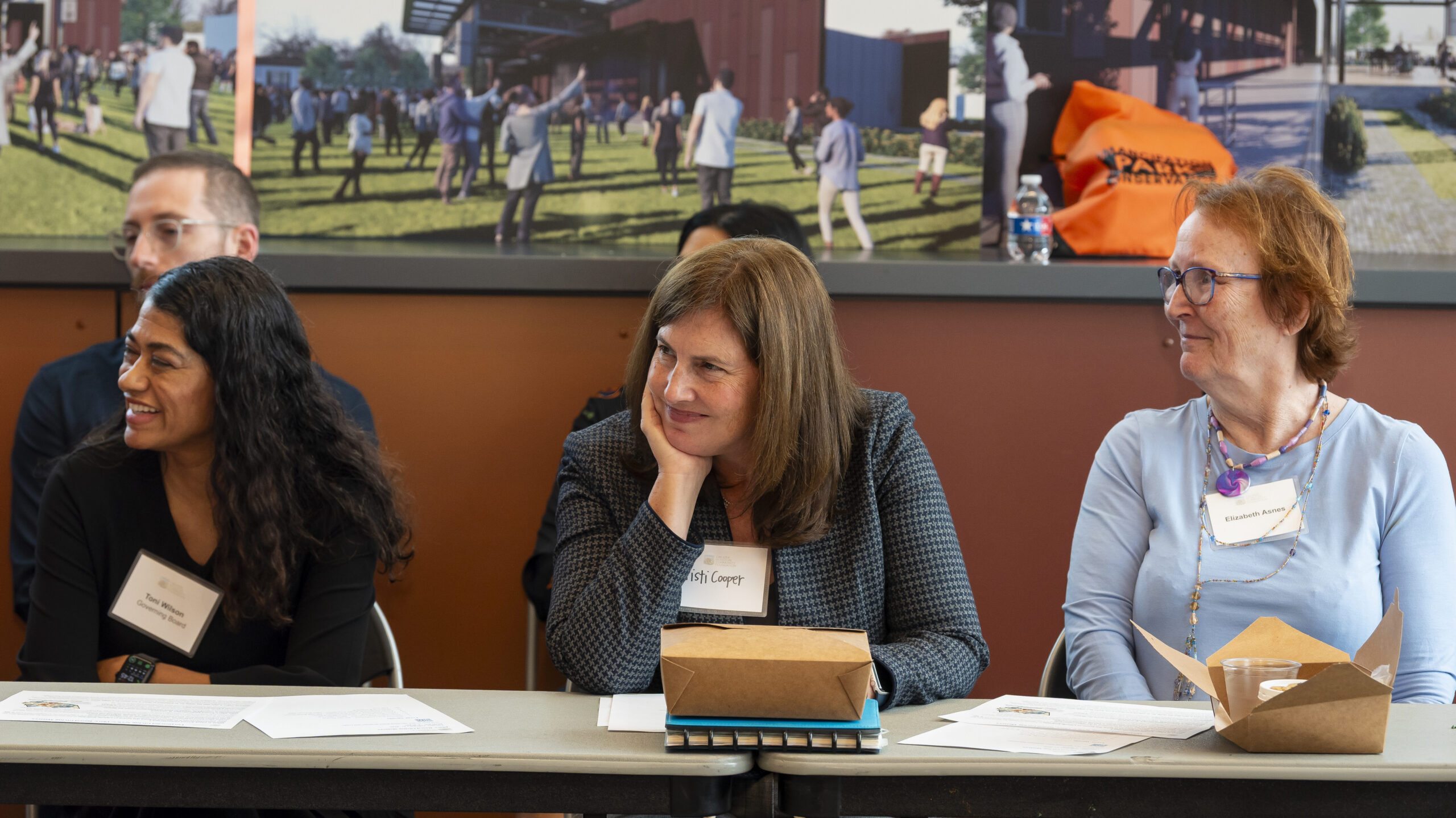
Ramon reminded the audience, “For us, this space [Emancipation Park] is so much more than recreation—it’s history, culture, and true American exceptionalism and grit.” The Conservancy and its partners demonstrate what place‑based, community-rooted work can achieve, uplifting and preserving the heart of Third Ward while honoring those who built it.
Whether you’re an individual, family, business, or professional advisor, we’re ready to connect and help you make a meaningful, lasting impact through philanthropy. Our personalized philanthropic support is deeply rooted in honoring donor intent and guided by decades of experience, with a focus on community.
We invite you to join Greater Houston Community Foundation in practicing strategic philanthropy, investing not just in projects, but in people, stories, and neighborhoods that deserve to thrive. Contact us today by calling us at 713-333-2210 or reaching out directly to begin a philanthropic journey rooted in purpose and impact. Together, we can help ensure that spaces like Emancipation Park remain vibrant, protected, and powered by the communities they represent.
About the Panelists
Jacqueline Whiting Bostic, Vice Chairman, Emancipation Park Conservancy
Mrs. Jacqueline Whiting Bostic is a retired United States Postmaster. As a community volunteer, she has served at the local, regional, and national levels in organizations that serve families, women, and children and advocate for their civil and human rights. Mrs. Bostic currently serves as Trustee & Audit Chair for The National YWCA Retirement Fund and as Chairman & President of Project Reach, Inc., a community service nonprofit serving the Freedman’s Town community. She is Vice Chairman of the Emancipation Park Conservancy and Chairman of the Fourth Ward Redevelopment Authority and The Tax Reinvestment Zone #14 for the City of Houston.
A native Houstonian, Mrs. Bostic comes from a family that has lived, worked, and served the community for seven generations. Her Great-Grandfather is Jack Yates. She attended Fisk University, Hofstra University, and Texas Southern University, receiving a B.S. in Psychology, and continued graduate studies in Business Management. A widow, she is the mother of four children, seven grandchildren, and five great-grandchildren. She has tried to balance the delicate sectors of family, career, and faith. She has dared to initiate bold new ventures, including programs and services that benefit others. Mrs. Bostic is passionate and daring, making a difference in the lives of others.
Patra Brannon-Isaac, Director of Education and Community Projects, Kinder Foundation
Patra Brannon-Isaac is the Director of Education and Community Projects for the Kinder Foundation. In her role, she stewards transformational philanthropic initiatives within the Foundation’s portfolios impacting education and quality of life in Houston, Texas. With 20+ years of experience in the public, private, and nonprofit sectors, she has worked for companies including BMC Software, Coca-Cola, ExxonMobil, HISD, Leadership ISD, Merck & Co., and Wells Fargo. Before joining the Kinder Foundation, she held progressive leadership roles in corporate internal audit, strategic human capital, and public education. Patra is a graduate of the Center for Houston’s Future, a Senior Fellow with the American Leadership Forum, and has served on various boards and councils, including the Rice Business Alumni Association Board, Houston Education Research Consortium Advisory Board, Project Row Houses, Houston Disaster Recovery Council, Houston 2036 Taskforce on Equity, and the Mayor’s Office for Adult Literacy. She has been recognized by the Houston Business Journal’s 40 Under 40, Children at Risk, Teach for America, and Rice Business School. A native Houstonian, she holds a B.S. degree in Finance from Iowa State University and an MBA from Rice University’s Jones Graduate School of Business.
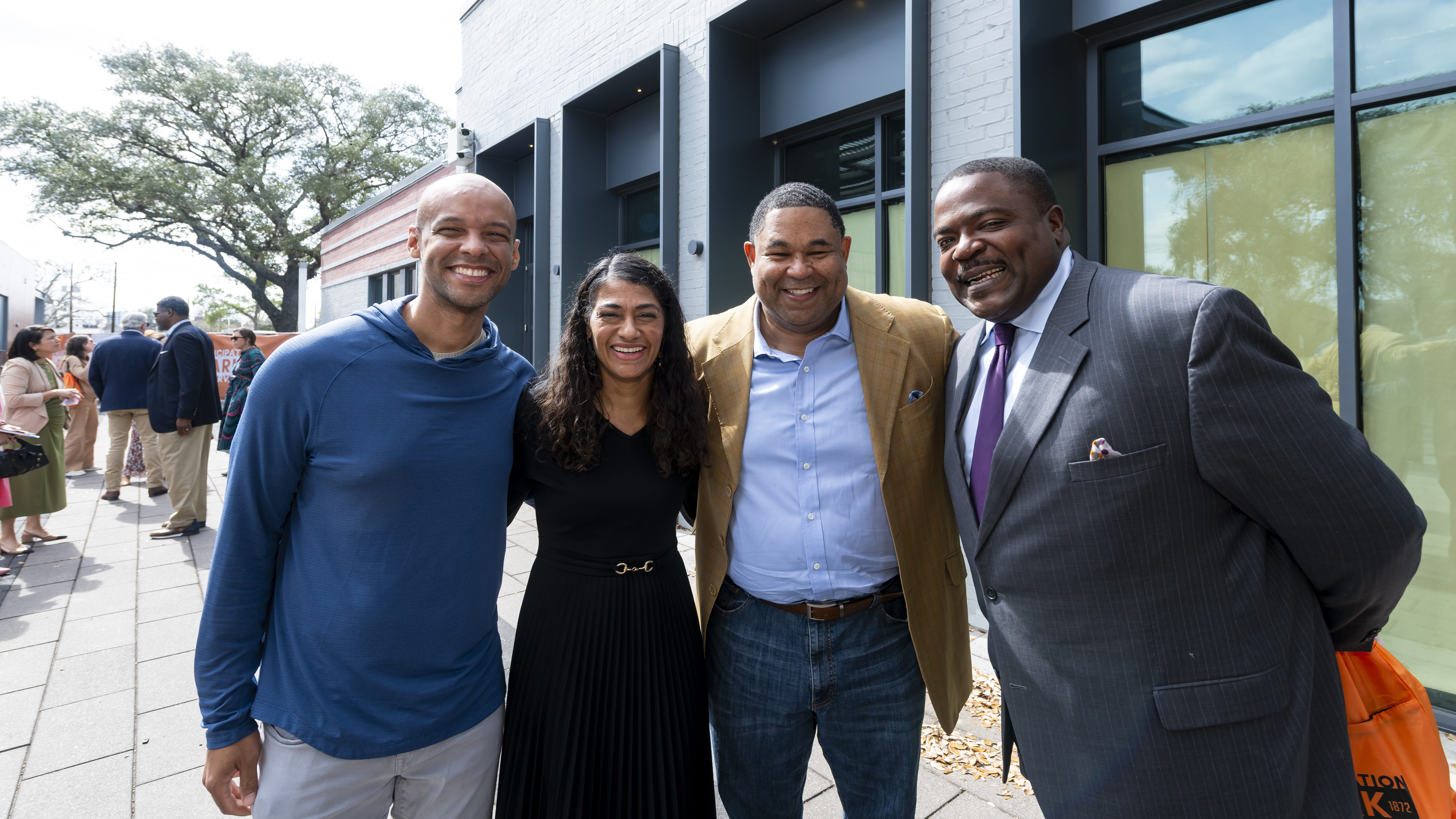
Ramon Manning, Chairman, Emancipation Park Conservancy
Ramon Manning is the Founder of Ridgegate Capital. He directs Ridgegate Capital’s investment strategy, decisions, and firm governance. Ramon was appointed by Governor Greg Abbott as Vice Chair of the Texas Public Finance Authority. As a fiduciary, he oversees financing for all state agencies and facilities in Texas. Mr. Manning also serves on the Board of the Memorial Hermann Hospital System and as a Trustee for the Museum of Fine Arts, Houston, and Chairman for the Emancipation Park Conservancy. Currently, Mr. Manning serves as a trustee of the Texas Southern University Foundation, his alma mater. He earned his Bachelor of Business Administration degree with a Marketing concentration and was a four-year football letterman and member of the golf team. Mr. Manning and his wife, Karen, reside in Houston, Texas, with their three children: Morgan Ann, Mason, and Matthew.
Danielle Burns Wilson, Executive Director + Art Director, Project Row Houses
Danielle Burns Wilson, a lifelong Houstonian with deep ties to Third Ward artists and art, brings over two decades of experience as an art professional to her leadership at Project Row Houses. Her professional connections to Houston’s Black art world grew deeper when she served from 2010 to 2013 as Curator at the Houston Museum of African American Culture (HMAAC). Following that, she served as the Chief Curator at the Houston Public Library and as the Manager of the African American Library at the Gregory School. Wilson’s first show as Curator at Project Row Houses was Artist Round 53: The Curious Case of Critical Race…Theory? The Houston Chronicle review noted the provocative and timely topic, and entire show, was “carefully considered and thoughtful,” which could also be said of Wilson’s approach to leadership as PRH enters its fourth decade. Her extensive formal knowledge of art and art history has sharpened the institution’s commitment to Black art and culture, as well as to the praxis of collective creative action.
More Helpful Articles by Greater Houston Community Foundation
- Advancing Impact: Building Thriving Neighborhoods
- The Houston We Hope For: 2026 Community Impact Showcase
- Building Bridges for Deeper Impact: Inaugural Houston Economic Mobility Summit
- Advancing Economic Mobility: Supporting Returning Citizens
This website is a public resource of general information that is intended, but not promised or guaranteed, to be correct, complete, and up to date. The materials on this website, including all comments and responses to comments, do not constitute legal, tax, or other professional advice, and is not intended to create, and receipt or viewing does not constitute, nor should it be considered an invitation for, an attorney-client relationship. The reader should not rely on information provided herein and should always seek the advice of competent legal counsel and/or a tax professional in the reader’s state or jurisdiction. The owner of this website does not intend links on the website to be referrals or endorsements of the linked entities.