Values & Valuables – Part 2: Giving with Purpose
Donor Advised Funds

Exploring the Motivations That Drive Philanthropy and the Rising Influence of Women in Legacy Giving
If you haven’t had a chance to read Part 1 yet, we encourage you to start there for important background that will help you get the most out of this series!
In this second installment of our Values & Valuables series, we take a closer look at the motivations behind why people give—and how those motivations evolve across generations. From deeply held family values to life experiences that shape a donor’s worldview, the reasons behind giving are as diverse as the donors themselves.
One powerful trend we continue to see is the growing leadership of women in philanthropy, particularly later in life. Women often play a central role in shaping their family’s giving decisions, ensuring those contributions reflect not just wealth, but purpose. Whether initiating charitable gifts, creating legacy plans, or serving as long-term stewards of their family’s philanthropic vision, women are increasingly at the forefront of values-driven giving.
As generational wealth transitions and new voices emerge in charitable conversations, understanding what drives giving—and who is driving it—has never been more important.
Motivators Behind Giving
When it comes to giving, people are driven by a diverse array of motivations. Understanding these can illuminate why philanthropy is such a profound part of our society. Here are some key reasons individuals choose to give:
- Family Traditions & Engagement
- Desire to Make a Difference
- Faith and Spirituality
- Tax Incentives/ Wealth Events
- Giving Back
These motivators showcase a rich tapestry of reasons why individuals and organizations choose to give. Whether for altruistic, cultural, or strategic reasons, each contribution plays a vital role in fostering a compassionate and supportive society.
Shifting Values
Values often shift across generations, influenced by cultural, economic, and social changes that reshape individual perspectives and priorities. For families transferring generational wealth, these evolving values can have significant implications. For instance, the emphasis on sustainability and social responsibility among younger generations may lead them to prioritize investments that align with these ideals, contrasting sharply with previous generations’ focus on traditional asset accumulation.
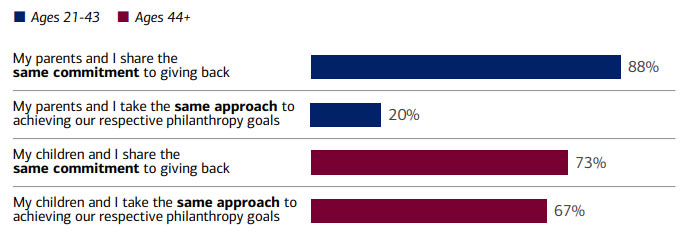
Bank of America Private Bank, 2024 Study of Wealthy Americans
Such a shift can create friction within families as differing priorities emerge, potentially impacting the way wealth is managed and allocated. Moreover, a younger generation’s desire for experiences over material possessions might result in less interest in preserving inherited wealth, prompting families to engage in vital conversations about legacy and purpose.
Ultimately, understanding and navigating these generational value changes becomes crucial in ensuring that wealth is not only preserved but also effectively utilized in a way that honors the intentions of past generations while meeting the evolving desires of those who inherit it.
Stressors in Generational Wealth Transfer
As we explore the complexities of transferring generational wealth, it becomes evident that interpersonal family dynamics frequently emerge as a primary source of strain. A recent study by Bank of America Private Bank showed that many older wealthy individuals have cited these dynamics as significant challenges, specifically disagreements on inheritance and asset distribution. Inequitable allocation of wealth can exacerbate tensions among family members, leading to disputes that undermine unity. Furthermore, governance issues—such as unclear instructions, poor communication, and a lack of trust—are particularly prevalent among younger wealthy individuals, complicating the wealth transfer process even further.
Additionally, studies show that as many as 88% of heirs do not consider their parents’ financial advisor after receiving an inheritance, which can create further disconnect and challenges in managing their newfound wealth. By acknowledging these stressors and proactively addressing them, families can foster healthier discussions around wealth transfer, ensuring that the legacies they wish to leave behind are honored while minimizing conflicts and misunderstandings across generations.

Bank of America Private Bank, 2024 Study of Wealthy Americans
By recognizing and addressing these stressors, families can engage in healthier conversations about wealth transfer, helping to ensure that their legacies are honored while minimizing the potential for conflict and misunderstanding across generations.
Women and Wealth
From understanding why people give to recognizing who is shaping the future of philanthropy, the landscape is ever-changing. As society progresses, so do the dynamics of giving, with women emerging as influential and strategic participants in the philanthropic arena. This shift is exemplified by recent initiatives like the Community Foundation’s October 2024 event, Women, Wealth & Wisdom, which underscored the increasing prominence of women in shaping charitable priorities and strategies.
In this context, exploring the intersection of wealth, gender, and philanthropy becomes essential. Recent data from McKinsey & Company highlights that women are now controlling a significant and growing portion of assets—projected to reach $30 trillion by 2030—understanding their motivations, challenges, and opportunities is vital for creating meaningful and impactful giving strategies.
The event featured a keynote address by Steph L. Wagner, National Director of Women and Wealth at Northern Trust, and included a panel of seasoned professionals who explored various critical topics. These discussions encompassed the empowerment of female entrepreneurs, the financial ramifications of divorce, the development of effective inheritance and wealth transfer strategies, and the challenges faced by clients coping with the loss of a spouse.
Trends Influencing Females and their Charitable Giving
1) Multi-faceted Caregiving Responsibilities: Women often occupy essential caregiving roles within their families, providing support to both aging parents and children. This caregiving typically occurs simultaneously with full-time professional commitments or entrepreneurial ventures.
What does this mean? The dual responsibilities significantly shape their approach to wealth management and philanthropic engagement, impacting how they allocate resources toward charitable causes.
2) Leadership in Philanthropic Decision-Making: Women frequently play a pivotal role in making philanthropic decisions within their households. Their engagement in charitable initiatives reflects an inherent empathy and an understanding of the societal issues at stake.
What does this mean? This involvement illustrates women’s vital contributions to social progress and community welfare, reinforcing the necessity for targeted philanthropic efforts designed to engage and empower female donors.
3) Experiences of Independent Living: Many women encounter periods of living alone due to divorce or the death of a spouse. Such experiences often reshape their understanding of wealth, legacy, and the social responsibilities tied to both.
What does this mean? This transition prompts an examination of how women approach wealth management and charitable giving, as they reassess their priorities and the values they wish to convey through their philanthropic actions.
4) Challenges in Self-Prioritization: Despite their resilience and multifaceted roles, women often struggle with prioritizing their needs and aspirations.
What does this mean? Societal expectations and traditional norms can obstruct their ability to focus on self-care and personal development. Recognizing these challenges is essential for fostering an environment that values women’s well-being and promotes the importance of prioritizing personal goals in philanthropy.
The Community Foundation remains committed to monitoring emerging philanthropic trends and their implications for women. As wealth transfers to subsequent generations, the evolution of values will significantly influence the philanthropic vehicles adopted and the involvement of future generations in giving practices.
So, Why Is This Important?
As we explore the motivations that drive giving across generations—and spotlight the critical role women play in philanthropy—it becomes clear that generosity is never one-size-fits-all. It is deeply personal, shaped by lived experiences, values, and evolving family dynamics. Understanding this complexity helps ensure that wealth is not only preserved but used with intentionality and care. Here’s why this matters:
For Donors:
Your story, your motivations, and your values are unique—and they deserve to be reflected in how you give. As family structures evolve and new priorities emerge, taking time to explore what drives your philanthropy will help create clarity for future generations. This is especially important as more women take the lead in giving decisions, often serving as both financial stewards and emotional anchors. Whether you’re planning a legacy or navigating transitions, your impact is greatest when your giving is anchored in your values and shared purpose.
For Professional Advisors:
Understanding the emotional and generational motivations behind wealth transfer is critical to building long-lasting relationships with your clients. Philanthropy isn’t just a financial tactic—it’s an expression of identity, tradition, and values. As women increasingly become decision-makers in wealth and giving, advisors must create space for inclusive, empathetic, and forward-looking conversations. Helping clients articulate their “why” can turn a wealth plan into a legacy plan.
For Nonprofits:
When you understand why people give, you are better equipped to invite deeper engagement. The rise of women in philanthropy, combined with a generational shift in values, presents an important opportunity: to build authentic relationships rooted in trust, transparency, and shared purpose. Tailor your messaging to connect with the personal motivations of your donors—be it through impact stories, legacy conversations, or acknowledging the complex life roles many women navigate while leading philanthropic efforts.
At Greater Houston Community Foundation, we believe that giving is most powerful when it’s personal. By helping donors, advisors, and nonprofits understand the values behind the gift—not just the gift itself—we can build stronger relationships and a more generous future for all.
Ready to start a conversation? Connect with the Community Foundation’s team of experienced philanthropic advisors to discover personalized strategies that align with your unique circumstances and goals. We invite you to connect with our team to get started.
More Helpful Articles by Greater Houston Community Foundation:
- How To Set Up a Donor Advised Fund
- Amplified Collaborative Giving in Houston: Fueling High-Impact, Community-Driven Solutions
- How to Start a Scholarship Fund
- How To Get Started with Legacy Giving
This website is a public resource of general information that is intended, but not promised or guaranteed, to be correct, complete, and up to date. The materials on this website, including all comments and responses to comments, do not constitute legal, tax, or other professional advice, and is not intended to create, and receipt or viewing does not constitute, nor should it be considered an invitation for, an attorney-client relationship. The reader should not rely on information provided herein and should always seek the advice of competent legal counsel and/or a tax professional in the reader’s state or jurisdiction. The owner of this website does not intend links on the website to be referrals or endorsements of the linked entities.