Giving as a Family: Creating a Tradition of Generosity Across Generations
Family & Next Gen Philanthropy

Many families spend years planning how to preserve and transfer their wealth to the next generation. Far fewer spend time discussing how to pass on the values that shape who they are as a family. Family philanthropy can bridge that gap, bringing generations together around a shared purpose and helping families turn their values into meaningful action in the community.
Whether you are introducing the value of gift giving to young children, involving grandchildren in family decisions about community engagement, or thinking about the legacy you want to leave behind, multigenerational giving is an opportunity to live out shared values, strengthen family connections, and build or sustain a family tradition of generosity.
Parents, grandparents, children, and grandchildren often want to make a difference together but aren’t always sure where to begin. The good news is that meaningful family philanthropy does not require a formal plan or significant resources to get started. Often, the most impactful giving journeys begin with a conversation and a gift.
In a time when younger generations are seeking purpose, connection, and opportunities to make a difference, family philanthropy offers a meaningful way to strengthen relationships, support the community, and build a shared family legacy. Whether your goal is to support the community, involve the next generation in family charitable giving, or create a shared family legacy, the first steps are often simpler than you might think.
Start With Your Family’s Values
Every family’s philanthropic journey is unique because no family is the same. Before identifying organizations to support or causes to champion, reflect on the values that have shaped your family over time. Generosity, compassion, faith, education, opportunity, perseverance, or service may all play an important role in your family’s story.
When charitable giving is rooted in shared values, it becomes more than an annual activity. It becomes an expression of who you are as a family and what you hope to contribute to the world around you. Charitable giving that connects to personal experiences and beliefs is often the giving that remains most meaningful over time.
After participating in a philanthropic advising session, we facilitated for a client’s middle- and high school-aged grandchildren who are preparing to take a more active role in their family’s philanthropy, the client’s granddaughter shared with us, “I love that my family has asked for our help and our opinions. It shows that they really care about everyone’s opinion because they want to include everyone in the decisions. The whole meeting felt valuable to me, as it’s important to discuss the prevalent issues we see and talk about our family values.”
Make Philanthropy a Conversation, Not a Decision
Once your family’s values are clear, the next step is creating opportunities for everyone to share their perspective. Families sometimes approach charitable conversations by asking, “Which organization should we support?” A more powerful question I ask my clients is, “How can you put your resources to work in society that aligns with your values and your purpose?”
Creating opportunities for multigenerational conversations can lead to rich conversations and more engagement. Younger family members may care deeply about issues such as mental health or environmental conservation. Older generations may feel connected to causes that have touched their lives personally.
At a recent donor workshop we facilitated fundholders on legacy and philanthropic planning, longtime Community Foundation donor, Phil Lewis, emphasized the value of involving children and grandchildren early. What started as small portions of a giving strategy for each of his children eventually became entire areas they steward independently. His message resonated throughout the room: your family may think differently from you, and that is okay.
Listening to one another helps uncover common ground and encourages every family member to feel invested in the family’s philanthropic goals. Starting with curiosity creates a strong foundation for long-term engagement.
For many families, charitable giving also creates a natural entry point for conversations about legacy. By making giving decisions together today, families can begin preparing future generations to thoughtfully steward charitable resources and carry family values forward.
Continue reading about the legacy planning workshop.
Remember That Giving Is About More Than Money
One of the most important lessons in family philanthropy I always share is that generosity can take many forms. Financial gifts matter, but so do time, expertise, attention, and advocacy. Families often discover that volunteering together, sharing their connections, visiting local nonprofit organizations, learning from local leaders, or attending community events creates meaningful experiences and strengthens relationships.
Chris Yetter, Next Gen Donor Institute alum, shared with us that his parents modeled charitable behavior when he was four or five years old, even before they explicitly discussed philanthropy or donating. Around Thanksgiving each year, his family would go to Sam’s Club and fill large carts with basic needs like blankets, canned goods, Ziploc bags, and water. Then, they would deliver the items together to a Houston-based shelter or food bank.
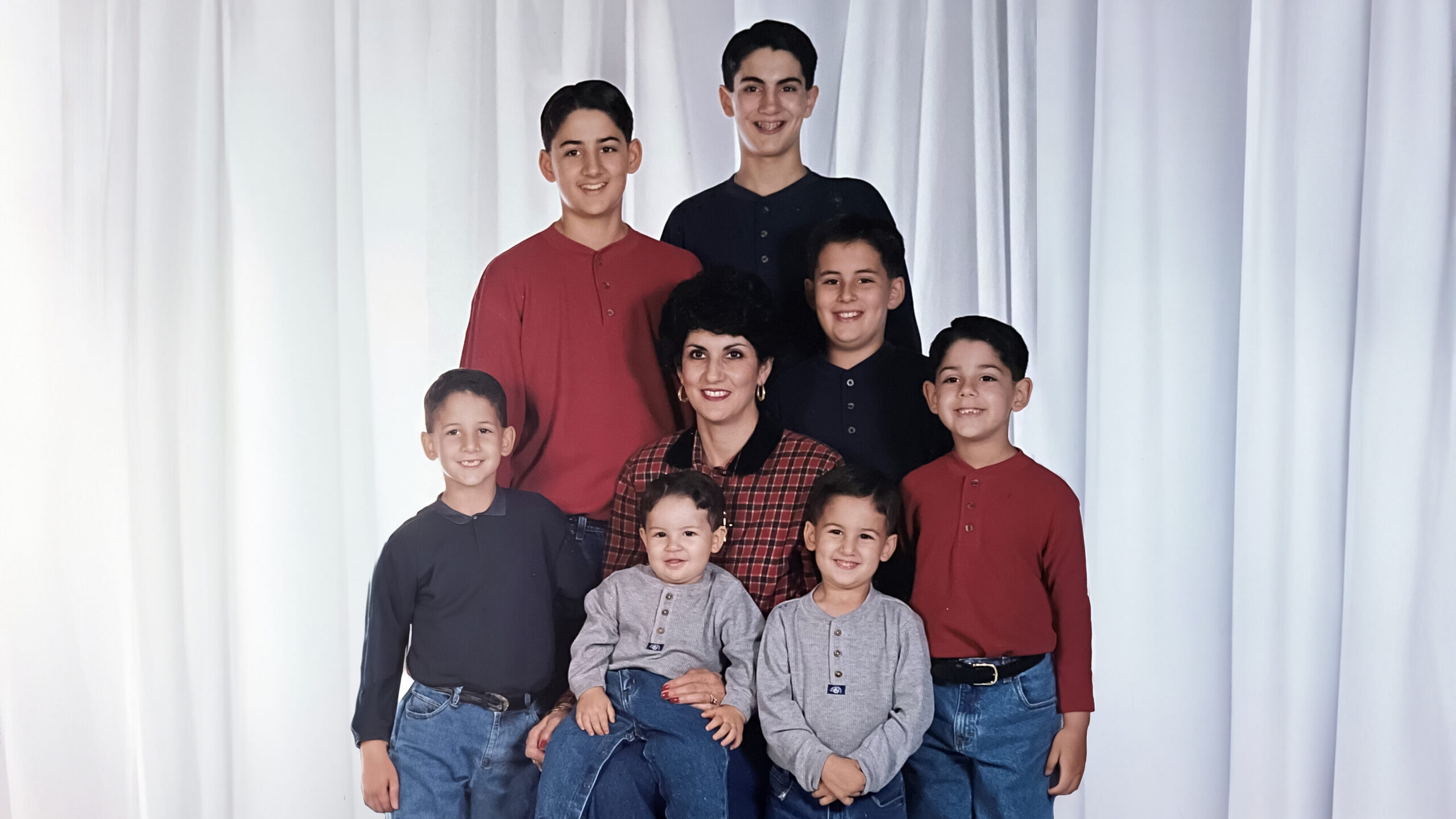
For Chris, those annual shopping trips with his family were about more than purchasing supplies. They became early lessons in empathy and responsibility. Shared experiences, like the ones Chris grew up with, can help family members better understand our community and can leave a lasting impression.
Continue reading about Chris’ philanthropy.
Invite Everyone to Participate
Many families want to engage children and grandchildren in charitable giving but do not know where to begin. There is no single formula that works for every family, and that is part of what makes my role so meaningful.
At the Community Foundation, I often see that the most successful multigenerational philanthropy efforts often focus less on teaching and more on inviting participation. When younger generations are encouraged to participate rather than simply observe, they begin to see themselves as contributors to the family’s legacy of generosity and to the broader community.
I have witnessed first-hand through our various youth volunteer opportunities and programs how engaging in the community and seeking to understand it beyond their own neighborhoods or schools can help young people develop confidence, empathy, leadership and a stronger sense of purpose and connection. Over time, these experiences help build a sense of responsibility to our community and help carry a family’s values and legacy of generosity forward. Rather than simply inheriting philanthropic traditions, younger generations begin to shape and strengthen them for the future.
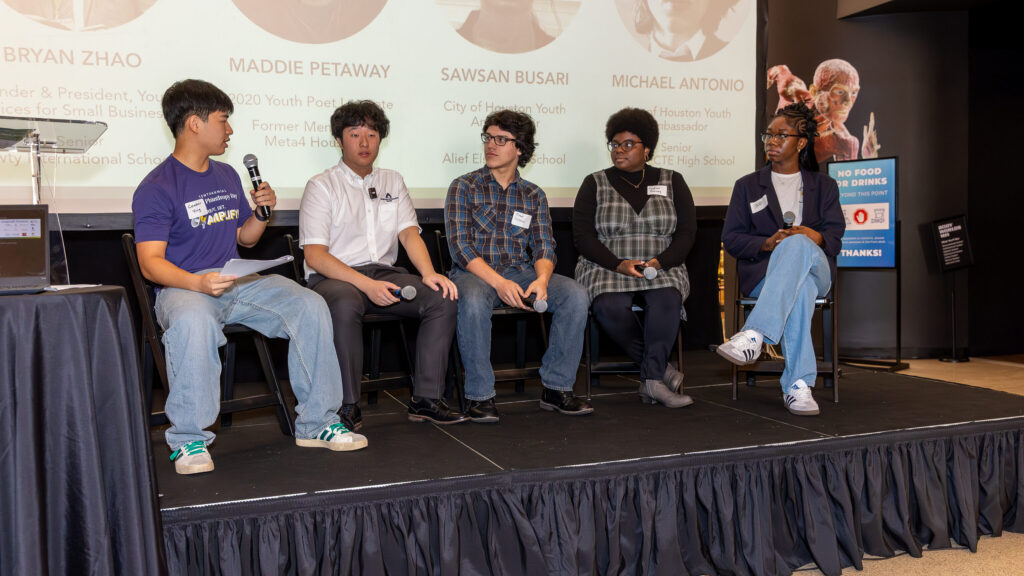
Cooper, a recent participant in our Family Giving Circle, shared about how common it can be for teens to feel overwhelmed or unsure about where to begin their community-service journey. Cooper explained to me, “Many people are open and willing to help, but don’t know where to begin. That was me before the Family Giving Circle. It taught me how to use my voice effectively for the greater good while keeping me accountable.”
Read more about Cooper’s experience in the Family Giving Circle.
Share the Stories Behind Your Generosity
One of the most powerful ways to build a culture of generosity is through storytelling. Many philanthropic traditions begin with a personal experience: a mentor who offered guidance, a scholarship, a nonprofit that helped a loved one, or a community that provided support during a difficult season of life.
I always encourage my clients to reflect on what generosity has meant in their own lives. I challenge them to think about moments when someone’s kindness or contributions made a difference for them. Maybe a neighbor stepped in during a difficult time; a friend offered support without being asked, or someone helped you through a difficult financial spot personally or professionally. These aren’t just memories; they’re life lessons. Through any person’s journey of building wealth, there are always others who helped along the way. No one does it alone.
Sharing these stories helps younger generations understand not only where the family’s charitable dollars go but also why the giving matters. When families share stories of generosity across generations, they preserve lessons that no financial document can capture. Those stories often become the foundation for a lasting culture of giving.
Focus on Progress, Not Perfection
I often see families delay charitable conversations because they feel they need a comprehensive plan. The reality is that meaningful family philanthropy grows over time, and the most important step is simply to begin. Make a gift. Get engaged. It’s that easy.
A single conversation can lead to a volunteer opportunity. Volunteer experiences can spark a new passion. A small, charitable gift can become a lifelong commitment to community impact.
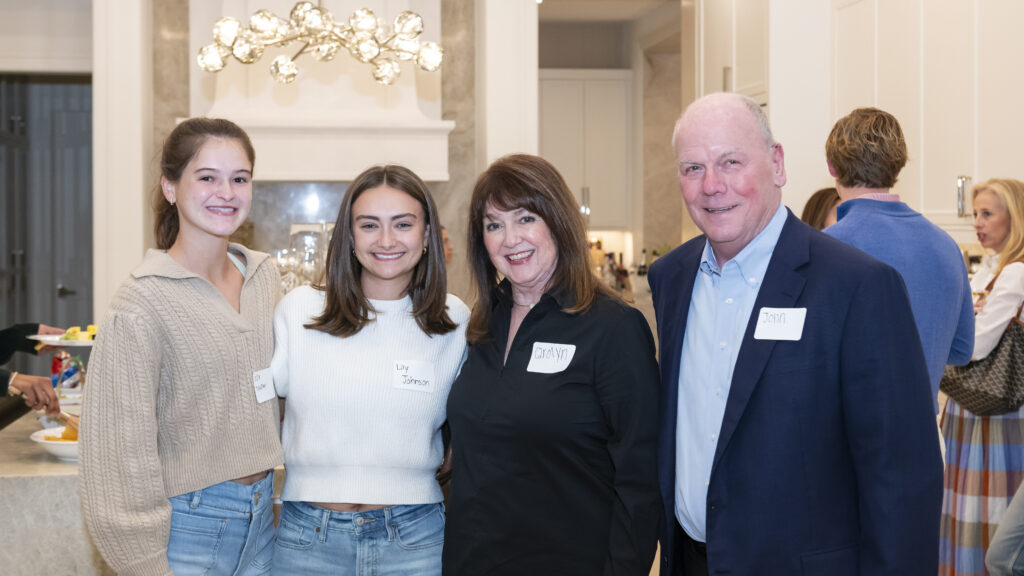
Lily, another Family Giving Circle alum, offered this advice to young people beginning their philanthropic journey: “Start small! You don’t have to do something huge to make a difference. Volunteer at a local nonprofit, join a school club focused on service, or even help out in your neighborhood. Once you start, you’ll see how rewarding it is, and it will inspire you to do more.”
The goal is not to create philanthropic experts overnight. The goal is to create opportunities for learning, participation, and shared purpose. Small experiences can help build lifelong habits of generosity and civic engagement.
Read more about Lily’s philanthropy.
Community Foundation Family Philanthropy Programs
Whether you’re introducing young children to the joy of giving or helping the next generation develop their own philanthropic voice, Greater Houston Community Foundation offers programs and resources that help its donors learn, serve, and give together.
Youth-Focused Programs:
Volunteer Days
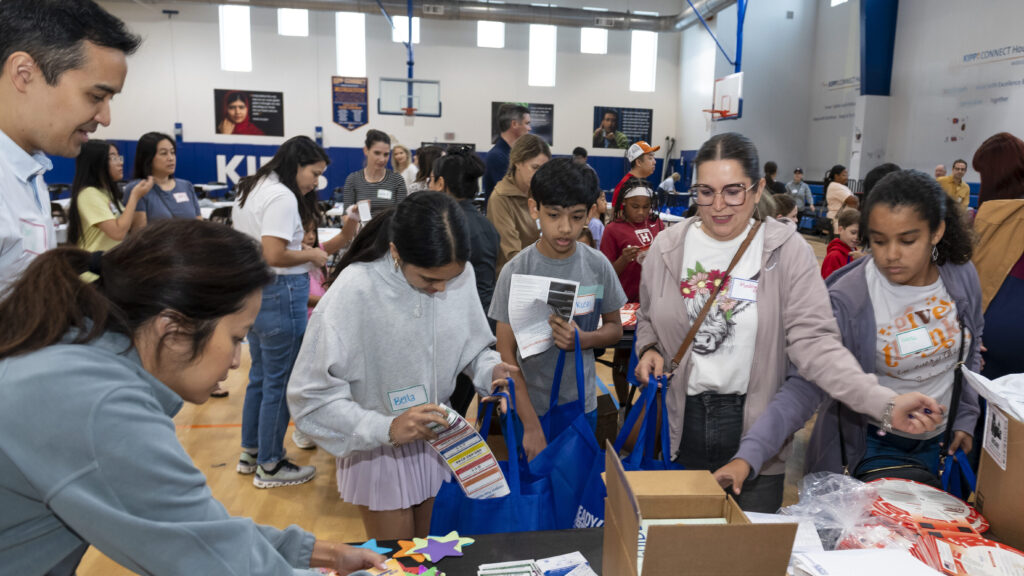
For over a decade, the Community Foundation has hosted multigenerational volunteer experiences for families with children ages five and older. These half-day events promote generosity, teamwork, and community engagement while introducing families to important issues affecting Houston.
Family Giving Circle
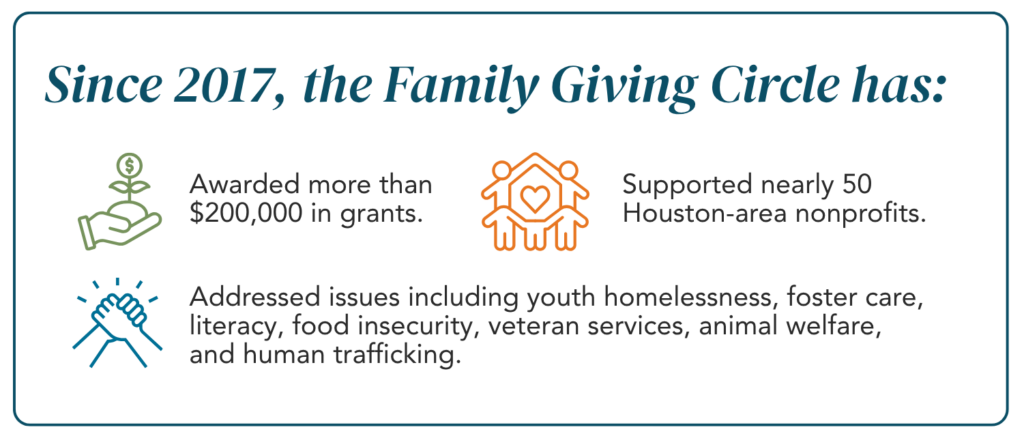
The Family Giving Circle gives families and young people, in grades 5 through 12, the opportunity to learn, volunteer, and make grantmaking decisions together. Led by a Youth Leadership Team of students in 11th and 12th grades, the program helps participants develop values-based leadership, independent thinking, and a deeper understanding of the philanthropic sector.
Donor Programs and Resources:
Next Gen Donor Institute
The Next Gen Donor Institute connects, cultivates, and inspires emerging philanthropic leaders in Houston. Participants explore their philanthropic identity, learn from peers and community leaders, and gain tools, resources, and connections to help shape their giving and community leadership.
Purposeful Giving Programs
Throughout the year, the Community Foundation brings together speakers, community leaders, and subject matter experts to help donors better understand the challenges and opportunities facing Houston and beyond. These educational programs help families align their values with informed, strategic philanthropy.
Understanding Houston
Understanding Houston, the Community Foundation’s regional indicators project, provides donors, community leaders, and residents with access to independent information they can use to effect positive change in their communities. Through nine key topics affecting quality of life in Houston’s three most populous counties, Understanding Houston helps our community explore local needs over time and with clear context. The Community Foundation can also facilitate data presentations for fundholders on specific issue areas, helping families learn together, ask informed questions, and connect their giving to the needs and opportunities shaping a more vibrant Houston region with opportunity for all.
Support for Every Stage of Your Philanthropic Journey
One of the greatest gifts a family can pass from one generation to the next is the belief that every person has the ability to make a difference.
Incorporating philanthropy into your family life offers a meaningful way to bring generations together around shared values while supporting causes that strengthen our communities. By giving together, learning together, and serving together, families can create a legacy that extends far beyond financial assets. The conversations you have, the causes you champion, and the examples you set today can inspire generosity and purpose for generations to come.
The Community Foundation’s Center for Family Philanthropy helps donors amplify their generosity and ensure their philanthropic legacy by offering high-impact multigenerational engagement, family programming, consulting services, and peer-to-peer connection. Whether you are beginning conversations with young children, involving adult children in charitable decisions, or developing a long-term giving strategy, we can help you create a plan that ensures your charitable efforts carry on for generations to come.
Curious to see how you can partner with the Community Foundation to engage your family in giving? Contact Jennifer Touchet, Vice President of Personal and Family Philanthropy. After all, the most enduring legacies are not simply what we leave behind, they are the values we carry forward.
More Helpful Articles by Greater Houston Community Foundation:
- How do Community Foundations work? Unlocking the Power of Community
- Power of Volunteering: Harnessing the Spirit of Service and Partnership
- Drafting a Family Mission Statement and Giving Plan
- Five Ways to Nurture and Grow Generosity in Your Children
This website is a public resource of general information that is intended, but not promised or guaranteed, to be correct, complete and up to date. The materials on this website, including all comments and responses to comments, do not constitute legal, tax, or other professional advice, and is not intended to create, and receipt or viewing does not constitute, nor should it be considered an invitation for, an attorney-client relationship. The reader should not rely on information provided herein and should always seek the advice of competent legal counsel and/or a tax professional in the reader’s state or jurisdiction. The owner of this website does not intend links on the website to be referrals or endorsements of the linked entities.