Importance of Volunteering: the Spirit of Service and Partnership
Family & Next Gen Philanthropy
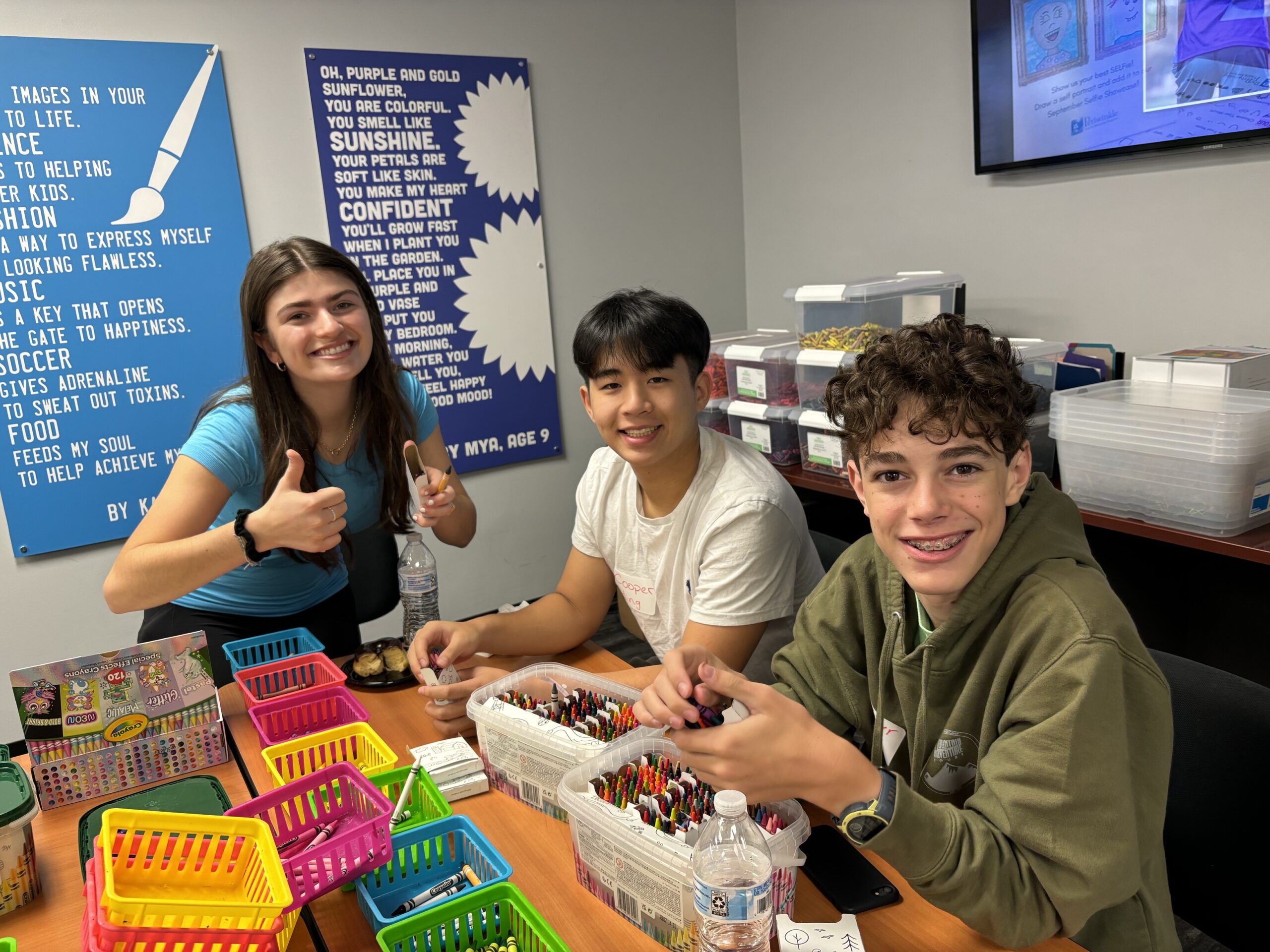
If you want to raise compassionate, community-minded children, engaging kids in philanthropy is a powerful place to start. Family philanthropy helps children understand generosity, responsibility, and the real needs of the world around them. It also gives parents a meaningful way to teach values in action. Whether your family begins with volunteering, charitable giving, or simple conversations about helping others, involving children in philanthropy can shape lifelong habits of service, kindness, and intentional giving.
Today, more families are thinking about how to pass down not only wealth, but also values. That is why next-generation philanthropy and family giving are becoming an important part of legacy planning. When children are included in age-appropriate discussions about service, charitable decision-making, and community issues, they begin to see that philanthropy is not only about money. It also includes using your time, talent, and relationships to make a difference. These early experiences can help children become thoughtful leaders, engaged citizens, and future stewards of a family legacy rooted in purpose.
Greater Houston Community Foundation’s Center for Family Philanthropy helps families turn good intentions into meaningful action through next-generation engagement, family learning opportunities, philanthropic advising, and guidance on strategic giving and legacy planning.
Why Engaging Children in Philanthropy Matters
1. Builds Empathy and Compassion
Teaching children to give back helps them build empathy from an early age. For all children, as they learn about challenges that others face and are encouraged to respond with care, they begin to see themselves as part of something bigger. Family giving, volunteering, and regular conversations about generosity can help children understand that helping others is not a one-time event or viewing someone else’s hardship from a distance. It is about recognizing our shared responsibility to contribute to a community where everyone can participate and thrive.
This mindset can become part of how a child moves through the world, not just when they are volunteering, but in their daily lives. Over time, these experiences build compassion, perspective, and a stronger sense of responsibility to others and the broader community.
“My family has always set a standard of generosity and making a positive impact in the broader community. As I step into philanthropy, it is important that I carry the same level of compassion for others as my family has and continues to do.”
Josh Sweetland, Family Giving Circle Participant
2. Encourages Lifelong Habits of Service and Generosity
One of the biggest benefits of early exposure to philanthropy is that it turns generosity into a habit. When giving back is part of birthdays, holidays, weekends, or family traditions, children begin to see service as a natural part of life. They also learn there are many ways to give, from volunteering and speaking up for causes they care about, to making donations and getting involved in their community. This early exposure helps children grow into adults who give with intention, consistency, and heart.
“A huge part of what inspired me was watching my older sisters when I was younger. They constantly showed up for other people, and it made me realize that anybody can help.”
Cooper Ying, Family Giving Circle Participant
3. Enhances Confidence, Leadership Skills, and a Sense of Agency
When children take part in philanthropy, they learn that their ideas and actions matter. Whether it is helping choose a cause, participating in a volunteer project, or learning how grants support nonprofit work, these experiences build confidence and strengthen emerging leadership skills. Along the way, youth develop decision-making, collaboration, listening, and problem-solving abilities that carry into every aspect of life. Most importantly, it shows children that they do not need to wait until adulthood to make a difference. They can create meaningful impact right now.
“She [Brad’s daughter, Ashley] had learned how to think critically about real issues—and to talk about them. Later, Ashley penned an editorial about the impact of her generation on philanthropy for the Houston Chronicle. That impact was driven by the Community Foundation.”
Brad Deutser, Community Foundation Fundholder
4. Helps Young People Better Understand Their Community
Engaging children in philanthropy helps them better understand how communities work and where help is needed most. Through nonprofit visits, service projects, and conversations about local issues, children begin to see both the challenges and the strengths in the world around them. This kind of awareness encourages civic responsibility and more thoughtful giving. It also helps young people connect compassion with action, which is an essential part of becoming an informed changemaker.
“I think I’ve always had a heart for giving back, but I truly recognized its importance when I started working with Greater Houston Community Foundation and Houston reVision in high school. Seeing firsthand how much a small act of kindness can impact someone else’s life really opened my eyes.”
Lily Johnson, Former Family Giving Circle Participant
5. Strengthens Shared Values and Family Connection
Family philanthropy creates space for deeper conversations about what matters most. It gives families a practical way to talk about generosity, responsibility, and the type of impact they want to make together. These discussions can strengthen relationships across generations and help children understand the values that guide their family’s decisions. Over time, philanthropy can become one of the clearest ways to pass down not only resources, but also purpose, perspective, and a shared commitment to community.
How to Teach Kids Philanthropy at Home
You do not need a formal foundation or a large charitable budget to start teaching kids about philanthropy. Often, the most meaningful moments start at home, in simple and natural ways. By weaving giving into everyday family life through experiences that are practical, age-appropriate, and easy to repeat, generosity becomes something children grow up with. Here are a few ways to build a culture of giving at home.
Give older children more responsibility. Teens can research nonprofits, learn about community issues, and participate in thoughtful grantmaking discussions.
Start early. Children are more likely to stay engaged in philanthropy when giving back begins at a young age.
Make generosity a habit. Build family giving into birthdays, holidays, school breaks, or monthly routines.
Let children explore their interests. Invite them to support causes that reflect their passions, questions, and concerns.
Volunteer together. Shared service experiences help children connect charitable values with real community impact.
Talk openly about why your family gives. Clear conversations about values, goals, and impact help children understand the purpose behind philanthropy.
Develop a peer network of volunteers. Foster volunteer opportunities with other families to demonstrate to your children that other families have similar values.
How the Community Foundation Supports Family Philanthropy
Families often deepen their impact through learning, shared experiences, and expert guidance. Greater Houston Community Foundation offers workshops, volunteer opportunities, consulting, and next-generation programs that help families grow their philanthropic knowledge and put their values into action.
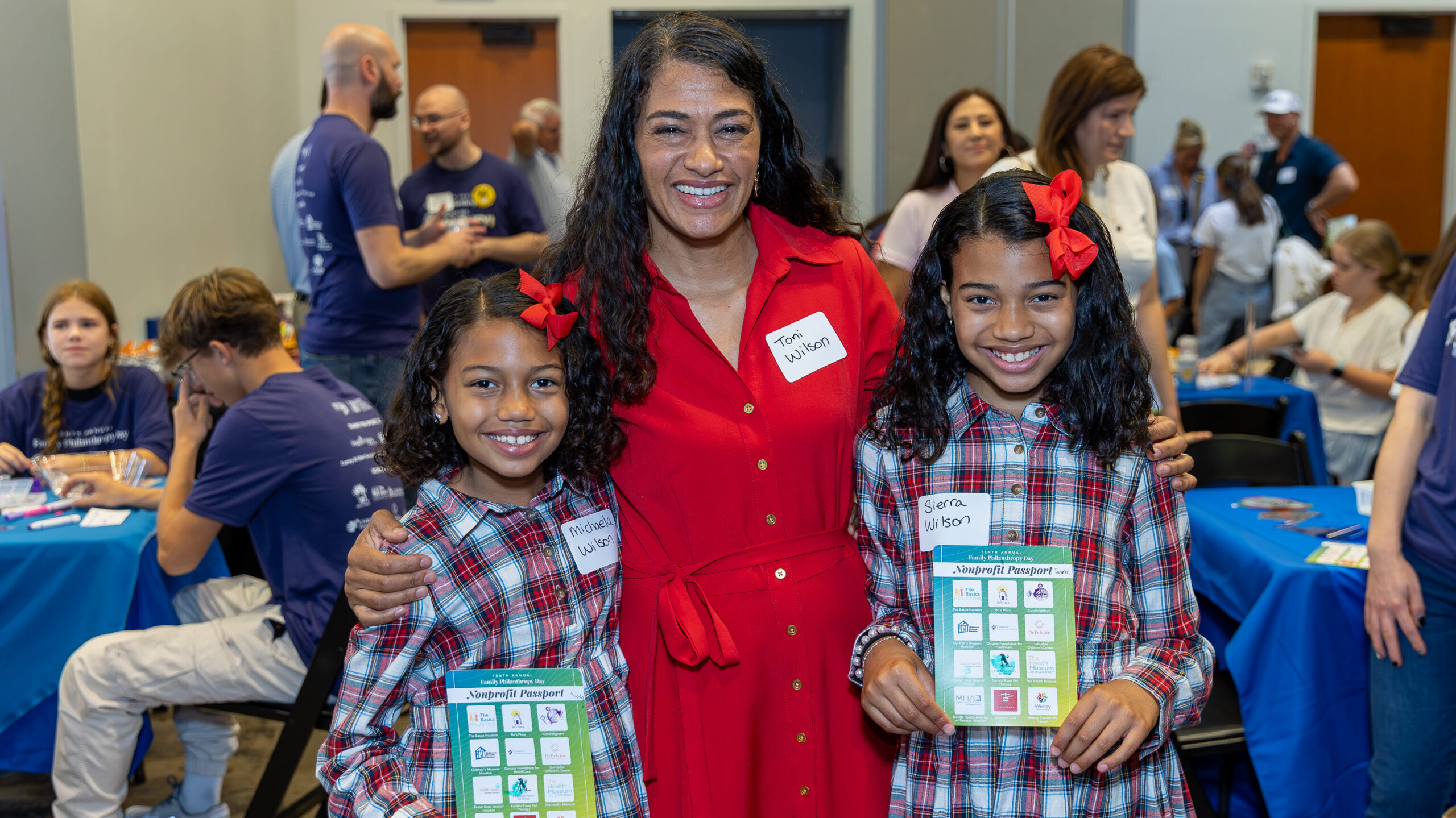
Volunteer Days:For the past 10 years, the Community Foundation has hosted multigenerational volunteer experiences for families with children ages five and older. These half-day events are designed to promote generosity, teamwork, and community engagement while introducing families to important issue areas affecting Houston.

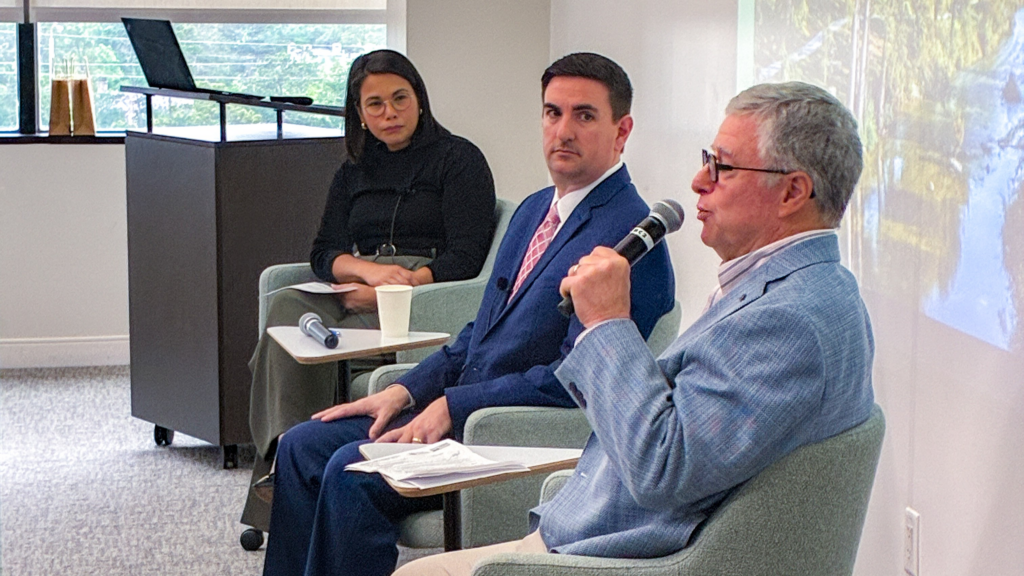
Purposeful Giving Programs: Throughout the year, the Community Foundation brings together speakers and community leaders to help donors better understand the challenges and opportunities facing Houston and beyond. These programs help families connect their values with informed, strategic philanthropy.
Family Giving Circle: The Family Giving Circle is a youth-led grantmaking program that helps families and young people learn, volunteer, and give together. Led by a Youth Leadership Team of students in grades 6 through 12, the program helps participants build values, independent thinking, decision-making skills, and knowledge of the nonprofit landscape. Since 2017, the Family Giving Circle has distributed more than $200,000 in grants to nearly 50 Houston-area nonprofits addressing issues such as youth homelessness, animal welfare, veterans, foster care, human trafficking, literacy, and food insecurity.
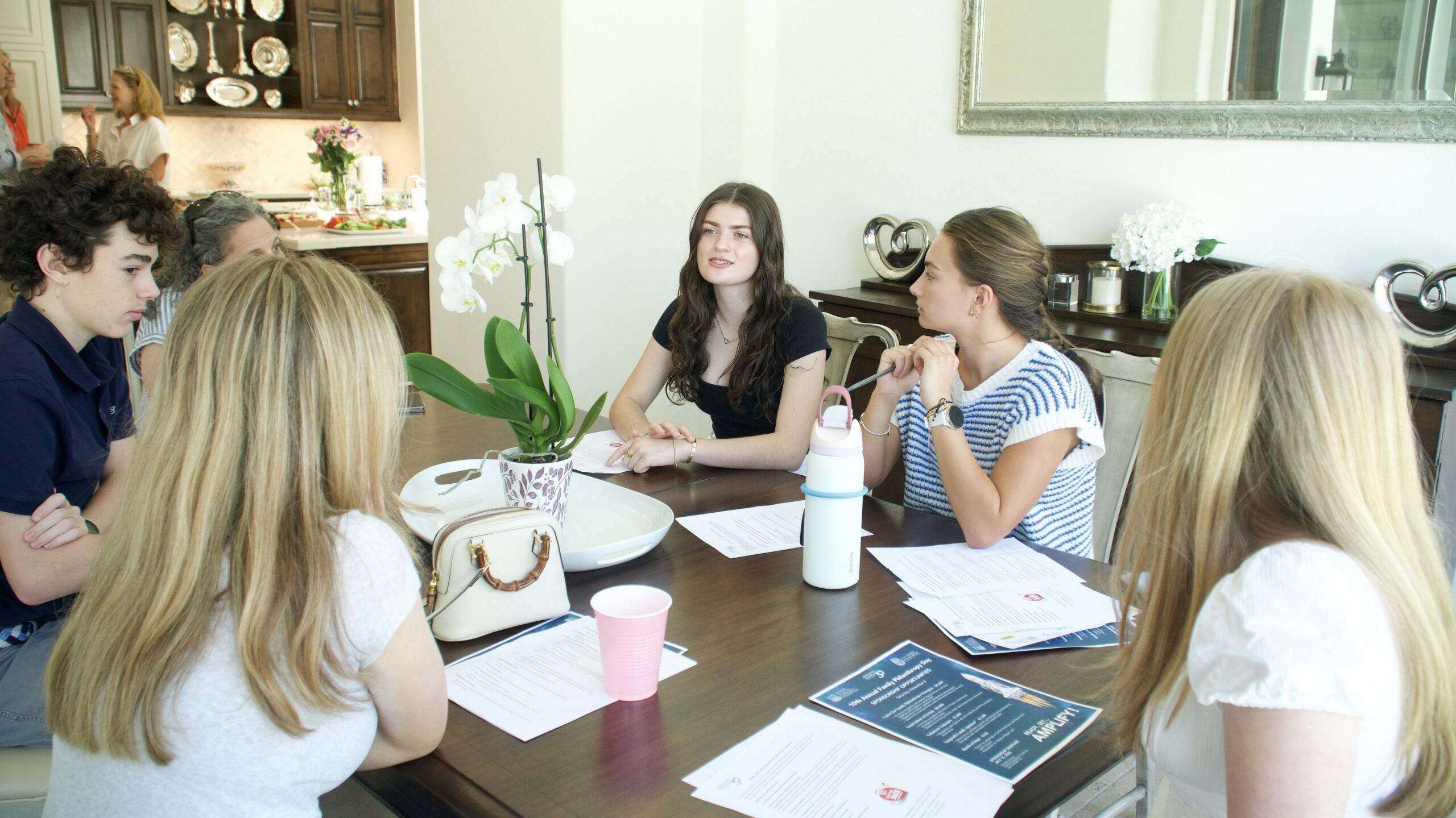
“What’s unique about the Family Giving Circle is that it’s led by teens. We come together, decide on the causes we want to support, and then make a real impact through grants and volunteer activities.”
Ethan Kao, Family Giving Circle Alum
Next Gen Donor Institute: Our Next Gen Donor Institute’s mission is to connect, cultivate, inspire, and engage the next generation of philanthropic leaders in Houston. Participants develop a deeper understanding of their philanthropic journey and identity as well as learn from peers and community leaders about philanthropic trends and possibilities. They leave with new tools, resources, and a network to help shape their giving and community leadership.
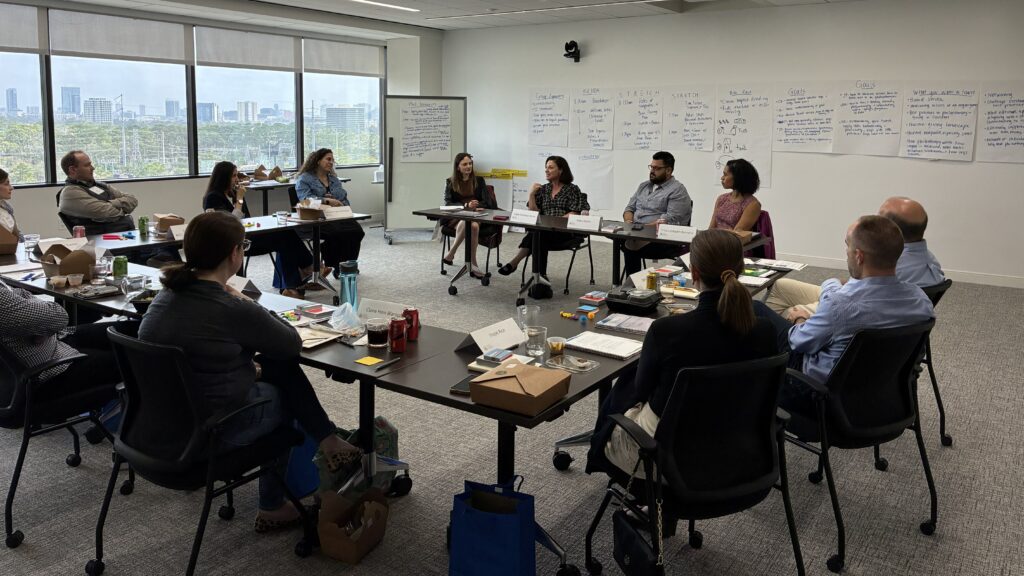
“I see Next Gen [Next Gen Donor Institute] as a ‘Philanthropy 101’ course. Before that, much of my philanthropy was through my social network or what tugged at my heartstrings with no real strategy. Next Gen shifted my approach to philanthropy to be more thoughtful. Also, the peer network is incredibly valuable—I probably learned as much from my peers as I did through the initial course, including being challenged by their questions and views.”
Chris Weekley, Former Board Chair, Community Foundation Fundholder, & Next Gen Alum
Our programs are designed to highlight various issue areas that impact Houston and beyond. Greater Houston Community Foundation empowers our partners and fundholders to deepen their philanthropic impact. We know and love Houston and can help you be effective in creating transformational change—wherever your family is on its philanthropic journey!
Raise Generous Kids Through Family Philanthropy
If you are looking for ways to involve your children in charitable giving, volunteering, or family philanthropy, the Community Foundation can help you build a thoughtful approach that fits your values and goals. Our team works with Houston families to create customized strategies for meaningful, lasting impact.
Whether you use a donor advised fund or a family foundation, the Community Foundation can help you create a charitable strategy that reflects your family’s values and maximizes impact. Our team of experienced philanthropic advisors combines deep community knowledge with philanthropic advising, legacy planning, and expertise in noncash assets to support your giving at every stage. Ready to begin? Call 713-333-2210 or reach out directly to start a conversation.
More Helpful Articles by Greater Houston Community Foundation:
- Cooper Ying: Empowering Youth Voices
- An Intimate Conversation on Legacy Planning in Houston: Turning Donor Intent into Action
- What to do with an Inheritance
- Drafting a Family Mission Statement and Giving Plan
This website is a public resource of general information that is intended, but not promised or guaranteed, to be correct, complete and up to date. The materials on this website, including all comments and responses to comments, do not constitute legal, tax, or other professional advice, and is not intended to create, and receipt or viewing does not constitute, nor should it be considered an invitation for, an attorney-client relationship. The reader should not rely on information provided herein and should always seek the advice of competent legal counsel and/or a tax professional in the reader’s state or jurisdiction. The owner of this website does not intend links on the website to be referrals or endorsements of the linked entities.